Skip to content

Find your second home without travelling 40 times

A second home plays out on opaque local markets, hundreds of kilometres from your daily life. Home Select hunts these markets, checks every property and only has you visit the essential: three viewings on average, not forty.

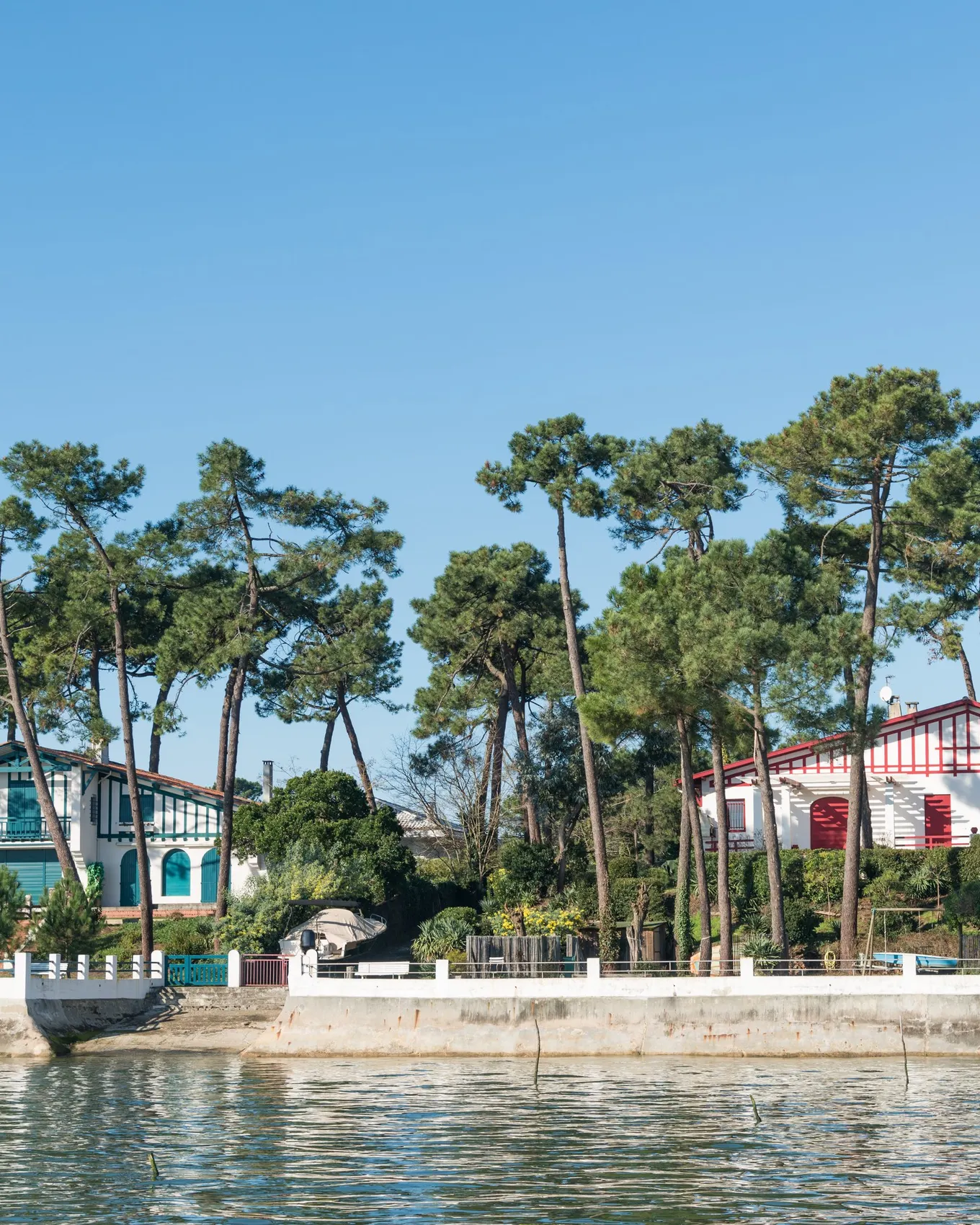
Two Cap Ferret villas under the pines, seen from Arcachon Bay
Atlantic Coast - Cap Ferret - Two villas under the pines
45 days
average between the mandate and the accepted offer
6%
average negotiation obtained off the seller price
15,000
professional partners, surfacing properties before they are listed

Why is a second home a different kind of purchase?

An opaque local market, impossible to visit from afar

Every resort, every coastline has its networks, its real prices, its technical traps that no listing mentions. Alone: endless weekend viewings, or worse, buying remotely from photos. The hunt relocates the work: monitoring, shortlisting and video pre-viewings are done for you, and your decisive viewings are grouped into a single trip.

Rare properties, often off-market

The fine Bassin villas, village chalets and Breton sea views sell massively without a listing, between families and insiders. Home Select surfaces these properties before publication through its network of 15,000 partners.

Home Select’s method applied to second homes

The framing takes the real usage into account: weekends or long stays, family life, transmission. The brief follows, market by market.

The hunt runs through the local market: the network surfaces properties, every file passes a technical audit (seaside buildings, resort co-ownerships, servitudes) before any viewing.

The negotiation, finally, accounts for seasonality: the best windows are often out of season, when sellers come back to reality.

The markets where Home Select hunts

Côte d’Azur, Provence and Corsica

Seafront villas, bastides, private mansions and the coves of Porto-Vecchio: the tightest territories in the South, where off-market is the norm on fine addresses.

Alps: Megève, Courchevel, Chamonix

Prestige chalets and apartments in the great Northern resorts, where value plays on precise technical criteria.

Basque Country and Atlantic Coast

Basque villas, the Bassin d’Arcachon, the île de Ré: private-agreement markets where the buying window opens months before summer.

Normandy, Brittany and the Opal Coast

The Côte Fleurie two hours from Paris, the Morbihan sea views, the villas of Le Touquet under the pines: the weekend coastlines Parisians know best.

Micro-markets

City by city, what you are really buying

Every market has its rules, its micro-markets and its seasonality. Here, for each city, is the property a second home is looking for. The city page goes further, with its figures from the DVF vintage and its neighbourhoods.

Île-de-France

  • Paris The Paris pied-à-terre is a market of its own: a home closed three quarters of the year, reopened for Parisian weeks, or the base of a couple living between two cities.
  • Paris 1er This is one of France’s first pied-à-terre addresses: a flat by the Tuileries closes in three minutes and reopens for an opera weekend or a sale by a place Vendôme antique dealer.
  • Paris 2e A pied-à-terre in the 2nd is bought for the life of the boulevards and the passages: theatres, wine merchants, glass-roofed galleries, everything within steps.
  • Paris 3e The 3rd lends itself to the character pied-à-terre: a top-floor flat or a converted shop near the covered market, reopened for a weekend of galleries and museums.
  • Paris 4e An address on the Île Saint-Louis or the place des Vosges is the pied-à-terre you keep for life: a few rooms under the roof, the Seine at the end of the street, an easy lock-up.
  • Paris 5e The 5th is less a pied-à-terre arrondissement than an address you keep: many buyers hold on to the flat inherited or bought young, between the Panthéon and the Jardin des Plantes, before handing it down.
  • Paris 6e A pied-à-terre in Saint-Germain-des-Prés or by the Luxembourg is a life purchase: literary cafés, the Odéon, galleries, closed for part of the year, reopened for sales and theatres.
  • Paris 7e The 7th is a genuine second-residence market: a floor with a view over Les Invalides or the Eiffel Tower, closed part of the year, reopened for Parisian stays.
  • Paris 8e The 8th is the kingdom of the discreet pied-à-terre: a flat closed eleven months a year behind a porte cochère, reopened for Parisian weeks and the sales of nearby place Vendôme.
  • Paris 9e A pied-à-terre in the 9th is bought for dense cultural life: the Opéra Garnier, the Folies Bergère, theatres and passages a few streets apart.
  • Paris 10e The 10th hosts a particular pied-à-terre: the weekday flat of the provincial coming to Paris, between two trains from the Nord and the Est, or the urban base of a dual-career couple.
  • Paris 11e The 11th rarely serves as an exception pied-à-terre, but as a flat kept after a move: many hold on to their Oberkampf or Roquette two-bedroom for Parisian weeks or to lend to family.
  • Paris 12e The 12th hosts practical secondary buying: the reserve flat near the Gare de Lyon, kept for journeys south, or the family pied-à-terre by the bois for cycling weekends.
  • Paris 13e The 13th stands apart from prestige second homes, but the flat serves as a first step: the two-bedroom bought to settle in, kept as a Parisian base when the family grows elsewhere.
  • Paris 14e The 14th serves as a discreet base: a flat near Denfert-Rochereau, kept for Parisian stays or life changes, the Gare du Nord direct and the airports within reach.
  • Paris 15e The 15th hosts functional second buying: the weekly pied-à-terre of the provincial coming to Paris, near Montparnasse and the stations, or the flat kept when the family has grown elsewhere.
  • Paris 16e The 16th is a second-residence address for an international or provincial buyer: a large flat near the bois, closed part of the year, reopened for school holidays and Roland-Garros in spring.
  • Paris 17e The 17th serves as a second residence for West-end families and for provincials following children schooled in Paris: a three-bedroom near the park, kept between uses.
  • Paris 18e Montmartre remains a sought-after pied-à-terre address: a studio or one-bedroom under the roofs, reopened for weekends, the butte as only garden.
  • Paris 19e The 19th is no resort market, but the Canal de l’Ourcq and the Buttes-Chaumont attract a first leisure purchase: the weekend flat of Western Parisians, kayak and philharmonic included.
  • Paris 20e The 20th serves as a first rung to ownership and a makers’ rear base: the Belleville studio or two-bedroom, kept when life moves on, the Parc de Belleville for the view.
  • Montreuil Montreuil is a first-purchase, project-led market: the garden house bought for the family, the loft kept as a Parisian workspace.
  • Pantin Pantin serves as a work base and a first purchase: the canal-side studio or two-bedroom, kept for Parisian weeks or lent to student children.
  • Le Pré-Saint-Gervais Le Pré serves as springboard and base: the flat bought as a first purchase, kept as a Parisian pied-à-terre when life moves on.
  • Les Lilas Les Lilas serve as a first pavilion rung: the garden house bought when intramuros Paris becomes too tight, often kept as an anchor in the Paris region.
  • Bagnolet Bagnolet is a first-time-buyer market: the period two-bedroom, bought to settle in, often kept as a Parisian base when the family grows eastwards.
  • Saint-Ouen-sur-Seine Saint-Ouen serves as a creative base and a first purchase: the flea-market loft or the new riverside flat, kept for Parisian weeks or bought to settle.
  • Saint-Denis Saint-Denis is not a second-home market: the first purchase and space are what play here, ten minutes from Paris on RER D.
  • Clichy Clichy serves as a weekday base and a first purchase: the two or three-bedroom near the town hall, kept for working stays or lent to the children.
  • Levallois-Perret Levallois serves as a weekday base: the two or three-bedroom kept near métro 3, for a Paris posting lived on weekdays with the Friday return to the provinces.
  • Neuilly-sur-Seine Neuilly is a classic second-residence address: the family property kept near the bois and the Jardin d’Acclimatation, reopened for holidays and the great Parisian gatherings.
  • Saint-Cloud Saint-Cloud is a green second-residence address: a house or a park-view flat, the Parc de Saint-Cloud as a garden, Paris one bridge away.
  • Suresnes Suresnes offers an atypical second home: the hillside house or the Paris-view flat, kept as a base in the Paris region by buyers sometimes working abroad.
  • Boulogne-Billancourt Boulogne hosts a prized second residence: the large flat near the Bois de Boulogne, base of Parisian stays for families from abroad, international schools around.
  • Issy-les-Moulineaux Issy serves as a modern base: the recent flat with services, close to the television studios and the offices, kept for Parisian working weeks or lent to children on internships.
  • Vanves Vanves serves as a first rung to ownership for Parisians of the South: the two-bedroom bought to settle in, kept as a pied-à-terre when life calls elsewhere.
  • Malakoff Malakoff is first a first-time-buyer market: the period two-bedroom, bought to settle in, often kept as a Parisian base when the family grows further out.
  • Montrouge Montrouge serves as a space reserve for Parisians: the family three-bedroom bought to settle year-round, or kept as a rear base after a move to the regions.
  • Charenton-le-Pont Charenton serves as a first rung for families: the three-bedroom bought to settle in, kept as a Parisian base after a move further out.
  • Vincennes Vincennes is a solid second-residence address: the family property near the château, kept between stays, or the first purchase of Parisian families coming down from the 12th.
  • Saint-Mandé Saint-Mandé serves as a retirement and second-residence address: the flat or house near the bois, kept by buyers leaving Paris without really leaving it.

Provence

  • Puyricard A village house for short stays, simple to close, with the square and the market on foot; a bastide in the countryside to entertain in summer, with a park and a pool to be looked after.
  • Éguilles The hilltop village for an old house that is simple to close, with the shops on foot; Surville, Le Cros or Les Figons for the family villa with a garden.
  • Aix-en-Provence As a second home, Aix sits between two worlds: a characterful flat in the Mazarin quarter, locked up in three minutes and reopened at Easter, or a bastide in the Aix countryside, which needs a gardener, a maintained pool and someone on the ground.
  • Calas Calas lends itself to a practical second home rather than a holiday address: a village that lives all year, a few kilometres from the TGV station and less than twenty from the airport.
  • Meyreuil A recent home near the Plan de Meyreuil for short stays, simple to close; a villa in the hills for summer with the family, with a garden and a view; a village house for calm.
  • Le Tholonet The old village and Palette for a house that is easy to lock up between stays, with Aix and its stations minutes away; the hills and the Route Cézanne for an estate to entertain in summer, facing the mountain.
  • Saint-Marc-Jaumegarde For a second home, Saint-Marc-Jaumegarde offers forest and calm minutes from Aix and its stations.
  • Vauvenargues For a second home, the village offers the house that is simple to close, the lower slopes and the Infernet valley the bastide to live in over the summer, the road to Jouques complete isolation.
  • Beaurecueil For a second home, the village offers the house that is simple to close, the foot of the mountain and the Bayon plain the property to live in over the summer, the foot of the Cengle isolation.
  • Châteauneuf-le-Rouge A house near the château for stays that are simple to organise, a villa at the foot of the Cengle for summer with the family, a property among the vines for entertaining: in Châteauneuf-le-Rouge, a second home is chosen by use.
  • Rousset In Rousset, a second home is a choice between three lives: a house in the old village, closed in a few minutes, a villa in the foothills for summer with the family, a property among the vines for entertaining.
  • Trets The centre for a town house simple to close, with the market on foot; the Arc plain for an estate to host summer guests; the slopes of Mont Olympe and Kirbon for the view and calm.
  • Peynier The village for a house simple to close, with the Cours on foot; the plain and Les Michels for a bastide to host summer guests; the Regagnas foothills for calm under the pines.
  • Fuveau The old village for a house that is simple to close, with shops on foot; the hillsides for the family villa with a garden and a view; the surroundings of Château l’Arc for those who want golf close by.
  • Belcodène The village for a house that is simple to close, the Regagnas hills and the hamlets for a house with land, in the calm.
  • La Bouilladisse The centre for a house that is simple to close, with the Thursday market on foot; the hamlets, Les Boyers or Le Pigeonnier, for a house with a garden, in the calm.
  • Marseille A Marseille pied-à-terre is bought for the sea ten minutes away and the airport at thirty.
  • Carnoux-en-Provence Carnoux lends itself to a family second home: a town that lives all year, Cassis and the sea a few kilometres away, Marseille and the airport within reach.
  • Cassis This is the primary vocation of the Cassis market: a house in the village or on the heights, used from April to October.
  • La Ciotat Sand beaches in the centre, a characterful old port and the Mugel calanque: La Ciotat offers the Provence coast without the entry ticket of Cassis.
  • Saint-Cyr-sur-Mer This is the vocation of the market: a villa in the vineyard hills or a house near the Les Lecques seafront, for summer and school holidays.
  • Bandol This is the heart of the Bandol market: a sea-view villa on the south-facing hills, or a flat in the centre within walking distance of the port.
  • Sanary-sur-Mer A village house in the old centre, a sea-view flat by the port, or a villa on the heights and at Portissol: Sanary covers all three uses.
  • Avignon A townhouse inside the walls or a house in Villeneuve-lès-Avignon: the papal city is the gateway to the Luberon and the Alpilles, 2 hr 40 from Paris by TGV, which makes a second home genuinely usable at weekends.
  • Saint-Rémy-de-Provence A second home in Saint-Rémy is easy to live: Avignon and its TGV thirty minutes away make the town workable from Paris for a weekend.
  • Maussane-les-Alpilles The village house for short stays, easy to close up, within walking distance of the square and the terraces; the mas in the olive groves for the family summer, with its land, provided caretaking, tree upkeep and brush clearance are organised.
  • Eygalières The hilltop village for the stone house, simple to close; the plain for the mas that entertains; the foothills for the estate facing the massif.
  • Gordes Gordes is a second-home address before anything else: the hilltop village is lived in a few weeks a year, and the TGV at Avignon, about 45 minutes away, puts Paris at 2 hrs 40.
  • Lourmarin A second home in Lourmarin gets used all year: the Friday market, the village tables, the cherry trees in spring and the harvest in late season.

Côte d’Azur

  • Nice A Nice pied-à-terre is chosen on three criteria: the view, the floor and the lift.
  • Villefranche-sur-Mer A second address in Villefranche is used all year: the station puts Nice ten minutes away, the airport twenty, and the town is lived on foot once the bags are down.
  • Saint-Jean-Cap-Ferrat This is almost the sole vocation of the peninsula: a villa with a garden between two bays, for summer and the shoulder seasons.
  • Beaulieu-sur-Mer The centre and the port for the apartment within walking distance of the station, simple to close and to watch over from afar; the Baie des Fourmis and La Petite Afrique for the sea view and the beach; Boulevard Édouard-VII for the villa with a garden.
  • Èze A house in Èze is the view for life and the sea without the crowds, ten minutes from Monaco and twenty-five from Nice.
  • Cap-d’Ail The apartment that is simple to close and to manage from afar for short stays, the villa on the cape or the heights for summer with the family.
  • Roquebrune-Cap-Martin Carnolès and the Golfe Bleu for the seafront apartment, simple to close and to manage from afar; Cap Martin and the heights for the family villa; the old village for the house of character.
  • Menton A house in Menton can be used twelve months a year if you wish: winter is its fine season, and the town lives in January.
  • Saint-Paul-de-Vence The village for the stone house that is simple to close, Les Gardettes for the villa under the pines, the hills towards La Colle-sur-Loup for the family villa with a pool, the gated estates for a house often left empty.
  • Roquefort-les-Pins For short stays, a home near the centre, simple to close and to manage from afar; for summer with the family, a villa with a pool in the residential areas under the pines, on the Valbonne side or the La Colle-sur-Loup side.
  • Valbonne Fifteen minutes from the beaches of Cannes and twenty-five from Nice airport, Valbonne easily serves as a second home: the village lives all year, the shops open in February, and the neighbouring golf courses fill the weekends.
  • Mougins Twenty-five minutes from Nice airport and ten from the TGV of Cannes, the family house is easy to reach and simple to run at a distance, especially inside a gated estate.
  • Bormes-les-Mimosas The hilltop village for the house with character, La Favière and the harbour for the apartment within walking distance of the beach, simple to close and to manage from afar; Cap Bénat or Cabasson for the rare property, the Maures hills for the villa with a view of the islands.
  • Le Lavandou In Le Lavandou, the centre and the port for the apartment within walking distance of the beaches, simple to close and to manage from afar; Saint-Clair and La Fossette for the family villa near the water; Aiguebelle, Cavalière and the heights for the villa among the pines, facing the islands.
  • Rayol-Canadel-sur-Mer Le Canadel for the beach on foot and the villa perched above the cove, Le Rayol for the villas under the pines near the Domaine, Pramousquier for the cove on the edge of Le Lavandou, the heights for calm and view.
  • La Croix-Valmer Gigaro for the villa near the beach and the Cap Lardier path, Sylvabelle and the Débarquement beach for the apartment that is simple to close, the village for life on foot, the hills for space and the view.
  • Ramatuelle The hilltop village for a stone house and life on foot, Pampelonne for a villa a few minutes from the sand, the capes and the hills for calm and space.
  • Gassin The hilltop village for a stone house and life on foot, Les Marines for the water at the door, the plain of La Foux for the family garden, the hills and ridges for the view and the calm.
  • Saint-Tropez This is the whole market: Les Parcs de Saint-Tropez, the village and La Ponche, the hills of Ramatuelle and Gassin.
  • Grimaud Port Grimaud for the house on the water, the boat at the door and life on foot along the quays; Beauvallon and Saint-Pons-les-Mûres for the villa near the beaches; the village and the hills for the stone house or the quiet estate.
  • Sainte-Maxime The centre for the sea-view apartment, simple to close and to manage from afar; the beaches of La Croisette and La Nartelle for the villa or residence of family summers; Guerrevieille for the estate house and its shared services; Le Sémaphore for the view over the gulf.
  • Fayence The village house for short stays, with no garden to keep; the plain for family summers, garden and pool; Tourrettes and Terre Blanche for golf; Callian and Montauroux for Lake Saint-Cassien.
  • Les Issambres San Peïre for the apartment or small villa within walking distance of the harbour and the beach, simple to close for the winter; Val d’Esquières and La Gaillarde for the family villa on the sea side; the hills for the view.
  • Fréjus Fréjus-Plage and Port-Fréjus for the apartment near the water, simple to close and to manage from afar; Saint-Aygulf for the family villa near the beaches; La Tour de Mare for the quiet villa at the edge of the Estérel.
  • Saint-Raphaël The centre and Santa Lucia for the sea-view apartment, simple to close and to manage from afar; Boulouris and Valescure for the family villa; Agay and Anthéor for the villa facing the Estérel.
  • Théoule-sur-Mer The village and Port-la-Galère for the apartment simple to close and to manage from afar; the Pointe de l’Aiguille and Miramar for the villa facing the sea; Le Trayas for the perched villa, further out.
  • Mandelieu-la-Napoule The seafront and La Napoule for the apartment that is simple to close, beach and harbour on foot; Cannes-Marina for the apartment with a berth; the hills for the family villa facing the Estérel.
  • Cannes La Croisette and the Banane for the sea-view flat, La Californie and Super Cannes for the villa with garden and pool.
  • Antibes Cap d’Antibes for the discreet property under the pines, old Antibes for the town house inside the ramparts, Juan-les-Pins for the lively seafront: three very different uses.

Alps

  • Megève This is the whole market: a chalet on Mont d’Arbois or Rochebrune, a flat a step from the village.
  • Saint-Gervais-les-Bains With its direct TGV at Le Fayet and its tramway, Saint-Gervais is a second home you can live in without a car: you step off the train and you are home.
  • Les Houches In the village, an apartment or a chalet simple to close, close to the shops and the Prarion gondola; higher up, at Les Chavants or Le Coupeau, the family chalet.
  • Chamonix From Les Praz to Le Lavancher, characterful chalets are rare and hotly contested.
  • Courchevel Le Jardin Alpin and Les Chenus for the ski-in ski-out chalet, Courchevel Village and Le Praz for character at more measured values.
  • Méribel A second home in Méribel is chosen for its weeks of snow and kept in families for decades.
  • Val Thorens The ski-in, ski-out apartment in Val Thorens or Reberty for stays that are simple to close up and manage from afar; the chalet in Saint-Martin-de-Belleville or a hamlet for a family spending long stays together.
  • Tignes A second home in Tignes is chosen for its weeks of snow and kept in the family.
  • Val-d’Isère A second home in Val-d’Isère is chosen for its weeks of snow and kept for decades.
  • Morzine The village to stay in every season, Avoriaz for the ski-in ski-out apartment, Les Prodains, the Pléney and the hamlets for the chalet.
  • La Clusaz A second home in La Clusaz is lived all year round: skiing on the five massifs in winter, walking and cheese in summer.

Rhône-Alpes

  • Lyon A Lyon pied-à-terre is bought for the city itself: Ainay, the Presqu’île, the 6th around the Parc de la Tête d’Or.
  • Annecy The lake is the market: the eastern shore, from Veyrier to Menthon and Talloires, forms the summit of French lakeside addresses.
  • Veyrier-du-Lac The village for the house that is simple to close for the winter; the slopes for the villa with a view and a garden; the lakeshore for the water, if supply exists.
  • Évian-les-Bains Belle Époque villas, terraced grounds above the lake, flats with a view: Évian is a second-home market more discreet than the Swiss shore, hunted through networks.
  • Aix-les-Bains The direct TGV and the lake at the door make Aix-les-Bains an easy second home: you arrive from Paris in about three hours and the car can stay in the garage.
  • Divonne-les-Bains A second home in Divonne is used all year: Geneva airport, twenty-five minutes away, brings Paris and the world back within hours, and the spa, the golf and the races give a calendar even in winter.
  • Chambéry About three hours from Paris by direct TGV, Chambéry is a credible second-home base: the town for the week, the valleys for the weekend.

Basque Country

  • Biarritz A neo-Basque villa, an Art Deco flat, an ocean view: Biarritz sells light first, and walking distance to the beach.
  • Bidart Bidart is a complete second address: beaches at the foot of the cliffs, the coastal path, the Ilbarritz golf course, Biarritz Pays Basque airport a few minutes away and the TGV at Biarritz station.
  • Guéthary It is the primary use of this market: a house for the Basque summer, surfing at Parlementia, the coastal paths, Biarritz airport twenty minutes away.
  • Saint-Jean-de-Luz A shipowner’s house in the historic centre, a villa at Sainte-Barbe facing the ocean, a surf address at Acotz: three uses, three markets.
  • Seignosse Seignosse-le-Penon for the holiday house close to the beaches, simple to close up and manage from afar; the forest and the golf course for the family villa on a large plot; the village centre for the more discreet Landes house.
  • Hossegor It is the prime use of the village: a house under the pines, the wave by bike, the marine lake for the children, the Seignosse golf and the port of Capbreton around.
  • Bayonne A small house in old Bayonne is the simplest second address of the Basque country: direct TGV from Paris, shops on foot, and the ocean a quarter of an hour away for weekends.
  • Anglet A house under the pines in Chiberta or a sea-view apartment towards the Chambre d’Amour: Anglet is the second-home address of the Basque conurbation, ten minutes from the airport and three and a half hours from Paris.

Atlantic Coast

  • Bordeaux A flat in the Triangle d’Or or a merchant’s house in Les Chartrons: Bordeaux is an urban second home, two hours from Paris.
  • Pyla-sur-Mer Pyla-sur-Mer for the family summer villa; the centre of La Teste or the port for a pied-à-terre that is simple to close and to manage from afar; Cazaux and the lake for nature.
  • Arcachon This is the vocation of the market: a villa in the Ville d’Hiver, a flat on the bay front, a house at Le Moulleau or Le Pyla.
  • Cap Ferret This is the entire market: a villa under the pines at the point, an oyster farmer’s house at Le Canon or L’Herbe, an ocean address at Le Truc Vert.
  • La Rochelle A shipowner’s house inside the walls, a house in La Genette, a flat facing the old port: La Rochelle offers character without isolation, with the Île de Ré twenty minutes away.
  • Île de Ré This is the essence of the market: a village house in Saint-Martin, Ars, La Flotte or Les Portes, each with its own codes and its own lanes.
  • Noirmoutier-en-l’Île The town for the house within walking distance of the castle and the lanes; the Bois de la Chaize for the villa near the small beaches; L’Herbaudière and Le Vieil for the fisherman’s house.
  • La Baule A house in La Baule is lived from March to November thanks to the TGV: Paris is three hours away, weekends come together without planning.
  • Royan A house in Royan is lived from March to November: La Rochelle is an hour and a quarter away, Bordeaux two hours, and the train serves Paris with a connection.

Occitanie

  • Montpellier A townhouse in the Écusson or a flat in Les Arceaux, with the sea a quarter of an hour away: Montpellier lends itself to the urban second home, very different from the coastal one.
  • Toulouse Toulouse is a main-residence market more than a second-home one, but the townhouse in Les Carmes or the fine floor overlooking the Garonne do find buyers who come for a few weeks a year.
  • Collioure This is the vocation of the market: a fisherman’s house in Le Mouré or Le Faubourg, for summer and the shoulder seasons.
  • Nîmes For a second home, Nîmes plays the town: arena, market, Jardins de la Fontaine, and the Pont du Gard twenty-five minutes away for weekends.
  • Uzès For a second home, Uzès offers the stone town in its most complete version: Saturday market, arcades, tables, and the countryside of the Uzège at the door.
  • Sète For a second home, Sète plays the port town rather than the resort: corniche beaches, summer jousts, Thau oysters all year, and a direct TGV to Paris.
  • Albi A house in Albi can be used in every season: summer takes the Tarn and the banks, winter gives the town back to its residents, and culture does the rest, museum and cathedral on foot.

Normandy

  • Deauville This is the primary vocation of the market: a villa in the golden triangle, a flat facing the sea, a house in Trouville.
  • Trouville-sur-Mer The centre and the harbour for the pied-à-terre where everything is on foot, between the station, the market and the beach; the seafront for the sea at the foot of the building; the hill and Hennequeville for the family house with a garden.
  • Honfleur A characterful house near the Vieux-Bassin, an address on the Côte de Grâce or a flat in the upper town: Honfleur is lived in weekends all year, two hours from Paris.
  • Étretat It is the near-universal use of this market: a house for weekends and holidays, two and a half hours from Paris via Bréauté station.
  • Cabourg A villa in Cabourg is used from February to November: weekends, the May bank holidays, the long summer.

Brittany

  • Saint-Malo An apartment behind the ramparts, an upper floor on the Sillon with an unbroken view, or a house with a garden in Paramé: Saint-Malo is lived in at weekends all year, two and a quarter hours from Paris by direct train.
  • Cancale A house in Cancale is used in every season: weekends at La Houle, summers in the bay, the oyster stalls of autumn.
  • Vannes The gulf is the market: Arradon, Baden, the Île-aux-Moines, the Rhuys peninsula.
  • La Trinité-sur-Mer The harbour for the apartment with a view, simple to close up and to manage from afar; Kervillen for the family beach house; the banks of the Crac’h river for the house on the water; the headland for the villa on the bay.
  • Carnac A house in Carnac is lived in from Easter to All Saints, and often beyond: late season is its finest reward.
  • Perros-Guirec A house in Perros is lived in from Easter to All Saints, and Lannion airfield, with its daily flights to Paris, makes weekends easy all year.
  • Saint-Briac-sur-Mer The village house for short stays, easy to close and to keep an eye on; the villa near Le Béchet or La Salinette for summer with the family; the house by the golf course for the course and Port Hue.
  • Dinard This is the resort’s natural use, and that of most of its buyers: a Belle Époque villa at the Moulinet or in La Malouine, a sea-view apartment near the Écluse, a more sheltered house at the Prieuré.

Opal Coast

  • Le Touquet-Paris-Plage The centre and the seafront for the apartment, simple to close and to manage from afar; the forest for the family villa; the golf courses for those who play.

Corsica

  • Porto-Vecchio The upper town and the harbour for the apartment that is simple to close, all on foot; Palombaggia for the villa under the pines near a great beach; Santa Giulia for the calm bay and families; the north shore of the gulf, towards Cala Rossa, for the seafront villa.

One method, two ways in

Both are billed only if the property is found and the purchase completed. On top comes 10% of the negotiated reduction: Home Select is also paid on what you save.

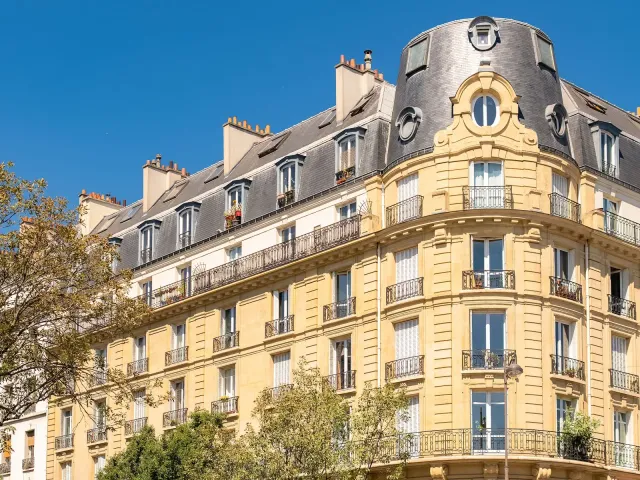
Haussmannian living room with fireplace and open view

Exclusive

Exclusive search mandate

2.5% of the net purchase price, minimum €10,000 incl. VAT + 10% of the negotiated reduction

The full service, for every budget: brief, sourcing, off-market, pre-visits, negotiation and follow-through to the notary signing.

The Exclusive offer
Ornate door knocker on a deep blue door

Confidentielle

Simple search mandate

1.5% of the net purchase price, projects from €2M + 10% of the negotiated reduction

The very same full service, on a selection made exclusively of off-market properties. For buyers who never want to see their search on a portal.

The Confidential offer

Frequently asked questions

What Home Select is asked first

Does Home Select hunt second homes beyond its listed cities?

Yes: each area covered by Home Select has its page, and any other city is handled tailor-made with the same method and network. Paris and the inner ring have their pages here too; the rest of Île-de-France is served by Home Select’s original website, homeselect.paris.

Do I have to travel for the viewings?

No: most of Home Select’s second-home clients live in Paris or abroad. Home Select shortlists, arranges video pre-viewings and documents; you only travel for the properties retained, in a single trip.

What are your fees?

Home Select, a buyer’s agent, charges 2.5% of the net purchase price (minimum €10,000 incl. VAT) on the Exclusive offer, or 1.5% on the Confidential offer for projects of €2m and above, plus 10% of the negotiated reduction in both cases. Home Select is paid on success only, and also on what you save: nothing is due until you have bought.

What happens next

  1. A buyer’s agent reads your request and answers within one working day.
  2. A first confidential conversation: how you will use the property, the real budget, the non-negotiable criteria, the timing.
  3. A written brief, and a search started within the week. Nothing is due until you have bought.

Your second-home project

A first confidential conversation, with no commitment. A buyer’s agent answers within one working day.

4.8/5
On Google (139 reviews)
1,200+
Buyers guided
100%
On success, nothing upfront

It takes 1 minute.