How much does a 2 rooms apartment cost in Val-d’Isère?
Over the 12 months to end of June 2026, 2 rooms traded at a median of €12,900/m², on a median surface of 38 sqm (DVF / DGFiP via data.gouv.fr, October 2026 release, 12 months to end of June 2026). A median home of the bracket changes hands around €490,000; condition, floor and address then make the rest of the price.
What notary fees should you expect when buying in Val-d’Isère?
For a median apartment in Val-d’Isère, about €603,000 at the median prices of the 12 months to end of June 2026 (41 sqm at €14,700/m²), notary fees on a resale property come to €43,100 to €46,200 depending on the department’s transfer tax rate, or 7.1% to 7.7% of the price. They cover transfer taxes, the notary’s fees and disbursements, and are paid on the day of signing.
What budget for a pied-à-terre in Val-d’Isère?
Over the 12 months to end of June 2026, recorded sales in Val-d’Isère put a studio at around €301,000 (22 sqm at €13,700/m²) (DVF / DGFiP via data.gouv.fr, October 2026 release, 12 months to end of June 2026). For a pied-à-terre, location matters more than floor area: for the same budget, Home Select favours a small, well-placed property over a larger one off the beaten track.
How much does a large apartment cost in Val-d’Isère?
In Val-d’Isère, apartments with 5 rooms and more sold at a median of €21,700/m² over the 12 months to end of June 2026, for 174 sqm (DVF / DGFiP via data.gouv.fr, October 2026 release, 12 months to end of June 2026): allow around €3,776,000 for a median property of that size. Large floor areas are rare, and floor, view and condition weigh even more there.
Can you still buy a whole chalet in Val-d’Isère?
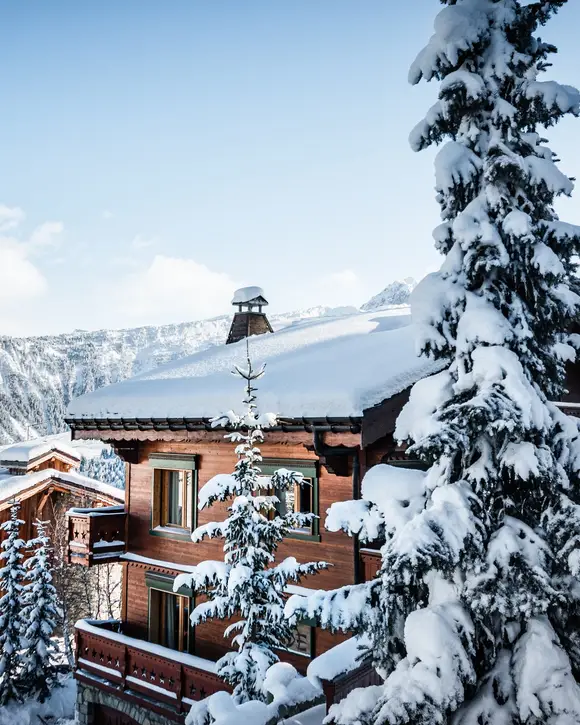
Yes, but rarely through a listing. The chalets exist, often held for generations, and they change hands through networks: notaries, caretakers, craftsmen and finders. The chalet co-ownership, which buys one floor or one part, is the other way into the market.
Does the resort live outside the winter season?
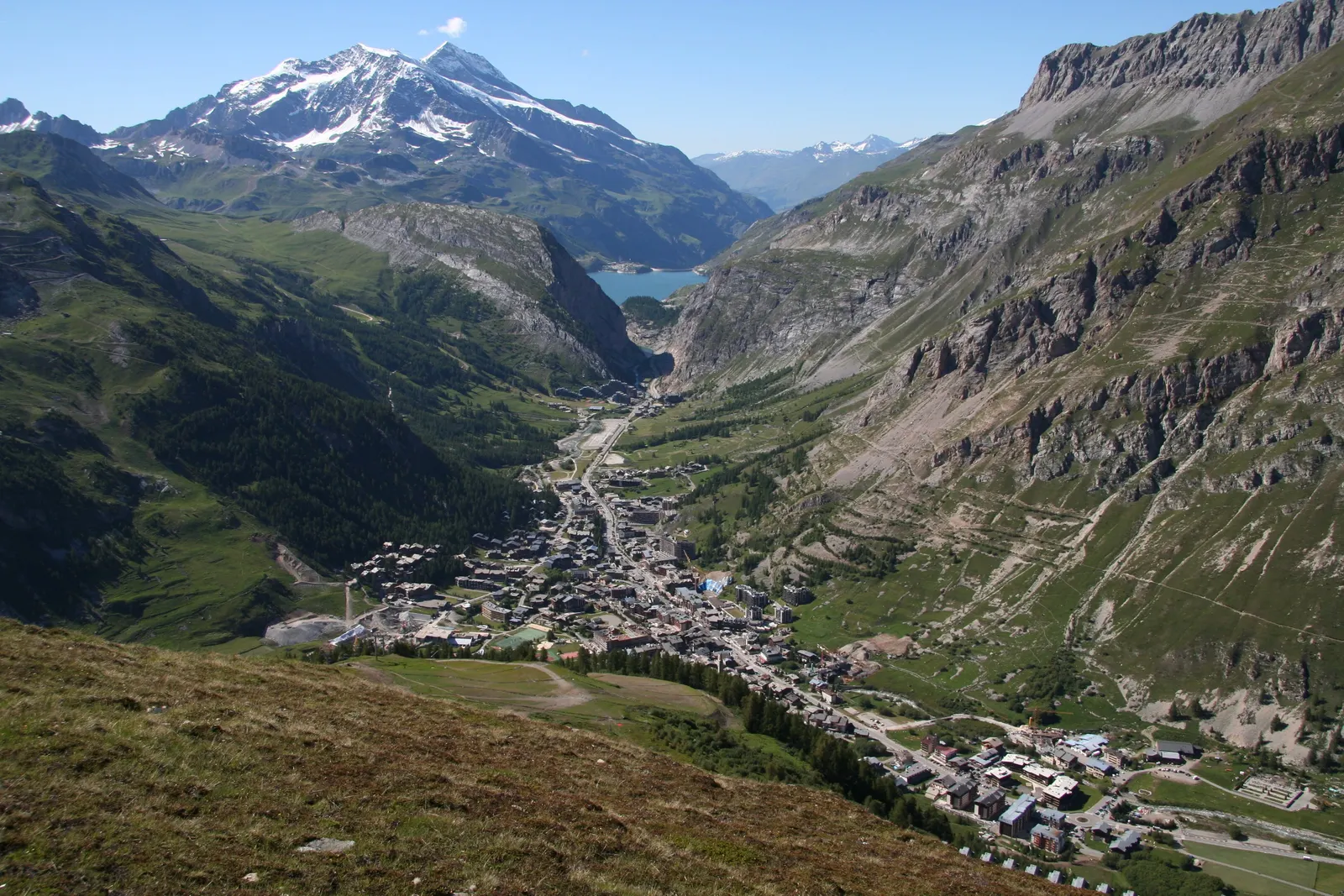
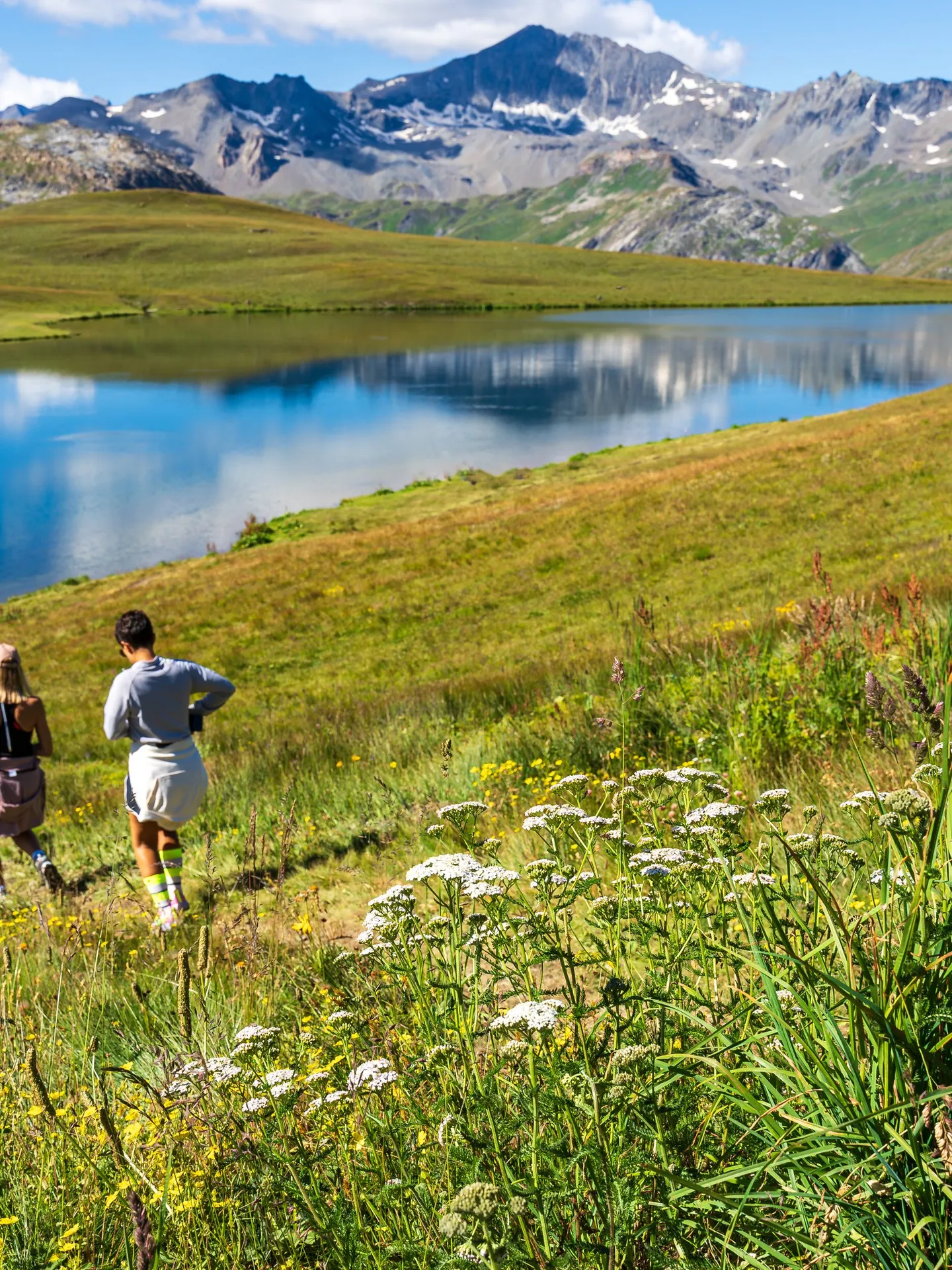
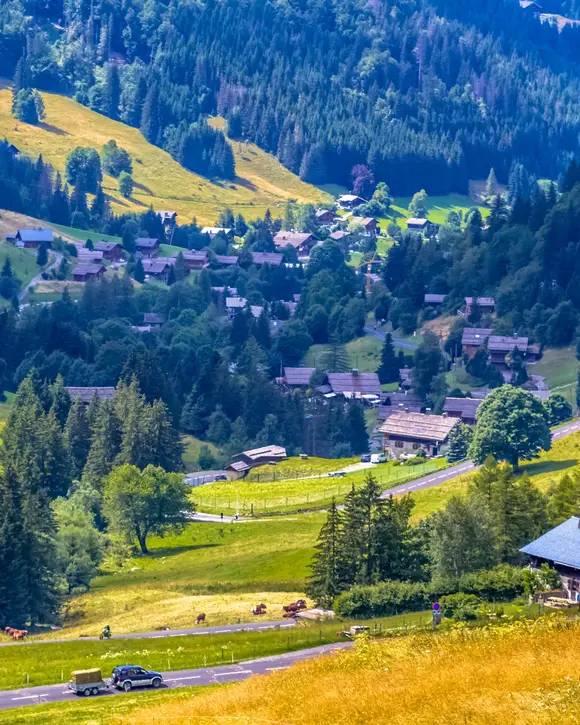
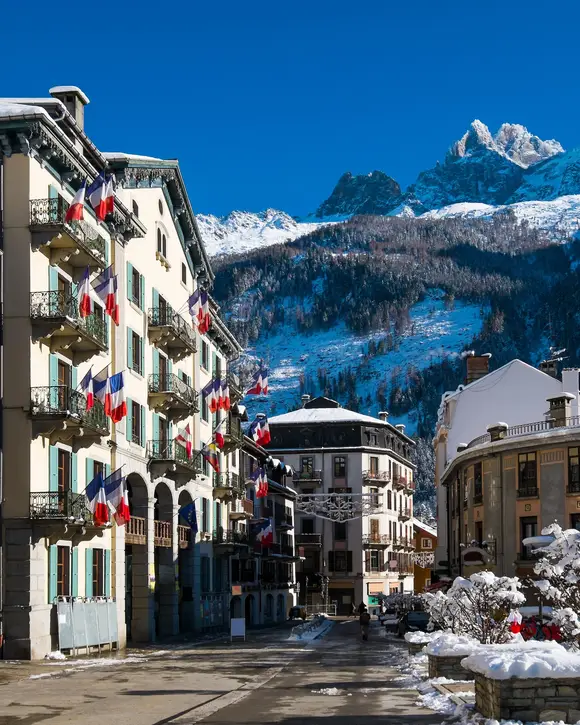
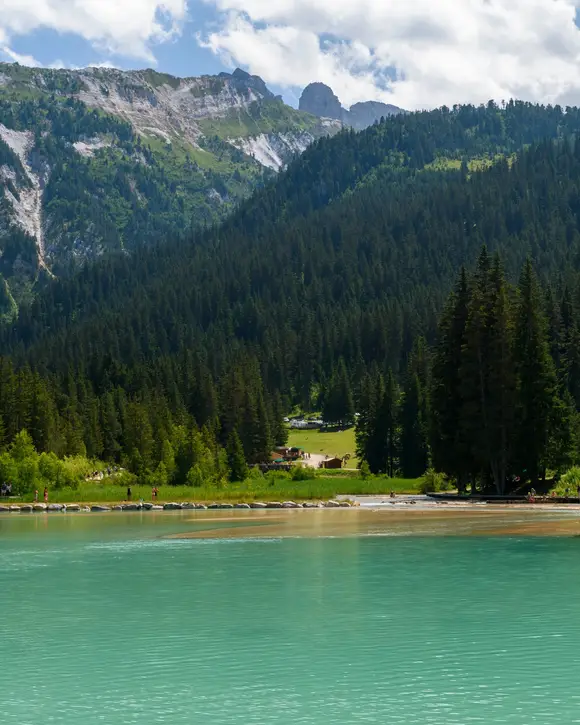
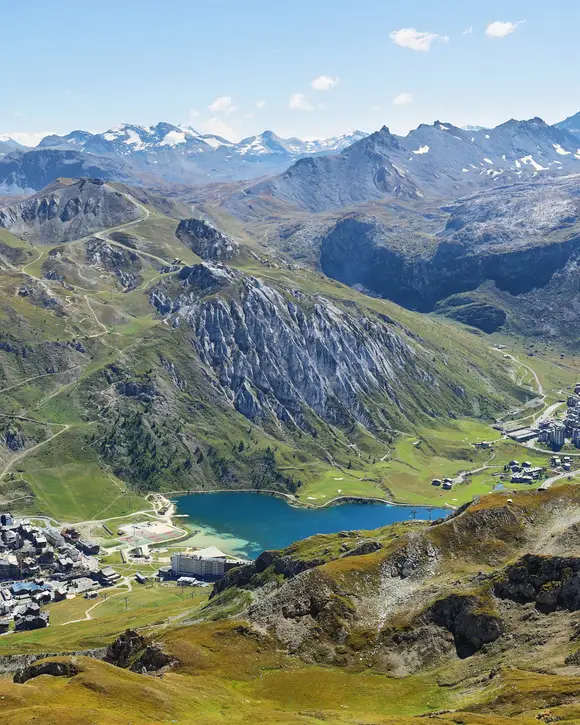
Yes: some 1,600 residents live year-round in a preserved old village, with its baroque church and its shops. Summer fills the valley with walkers and cyclists, and owners use the quiet months to prepare works before the first snow.
How long does it take to buy in Val-d’Isère with a buyer’s agent?
The calendar depends on how rare the target property is in Val-d’Isère and on your availability: Home Select frames it at the brief, then holds it. Properties are first seen on video, and your decisive viewings are grouped into a single trip.
How do you reach off-market properties in Val-d’Isère?
Through the network and direct approach: partner notaries, agents and building managers flag properties to Home Select before they are published, and owners are approached when the setting allows. In Val-d’Isère, the monitoring starts with two sectors: the village centre, then La Daille. That is often where the unfindable property is.
Why do Val-d’Isère properties almost never list?
Because the old village is preserved and close to saturated: the existing chalets have long-standing owners and pass through notaries and networks, between people who know each other. Add the fame born of the Critérium, held since 1955, and of the 1992 Olympic downhill, which fixed a faithful international clientele here. The result: few listings, and a market that reads off-market.
Which area should you buy in Val-d’Isère?
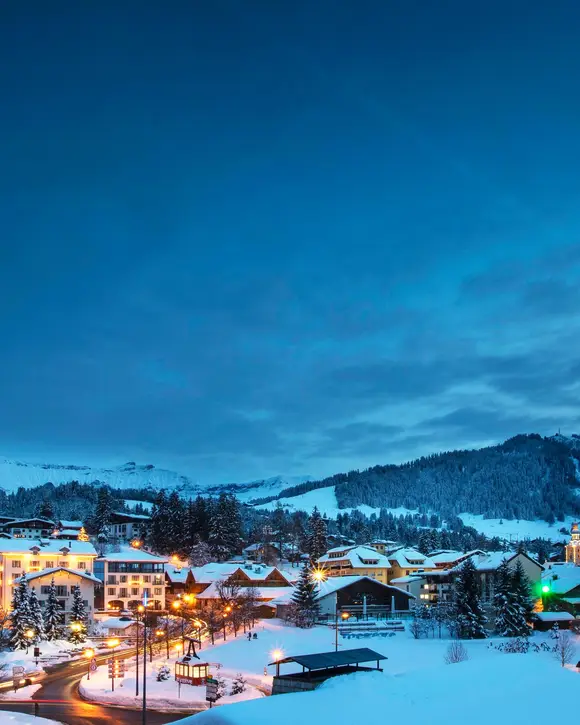
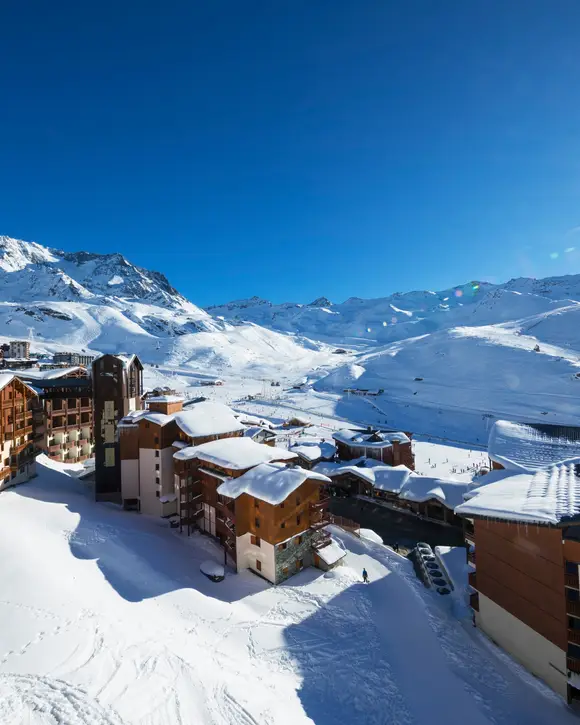
The village centre for life on foot and rare addresses, La Daille for ski access and legible floor plans, Le Fornet and Le Manchet for the quiet of the hamlets. Each sector answers a different use: define yours before comparing, and visit in season and out of season.
What budget should you plan for Val-d’Isère?
It cannot be summed up in one figure: a floor in a chalet co-ownership, a village apartment and a whole chalet in Le Manchet do not play in the same category. The median of sales sits higher up this page; use, floor level and condition make the rest of the gap.
What should you check before buying?
Service charges and voted works, real ski access, the structure of wood and stone, the energy performance of old buildings, water and snow management on the roofs. At altitude every defect costs more to correct: have the property surveyed by a professional from the valley.
Who buys in Val-d’Isère today?
A faithful international clientele, often returning since childhood, Parisian, Lyon and Geneva families, and a growing number of chalet co-ownership buyers. With stock so scarce, well-presented properties move as soon as they reach the market. Home Select, a buyer’s agent in Val-d’Isère, prepares the buyer for that pace, so they can act the moment a property comes up: written criteria and a calendar set from the brief.
Where can children go to school when you settle in Val-d’Isère?
The village has its own state schools, nursery and primary. After that, pupils go down to Bourg-Saint-Maurice, to the Saint-Exupéry cité scolaire, which brings a collège and a general lycée together on one site and runs ski sports sections, including an excellence section. A family therefore checks the daily journey down the valley and, for a young skier, the entry conditions for the section, decided by a committee.
How is avalanche risk regulated in Val-d’Isère?
Through the commune’s natural hazard prevention plan, approved in 2006 and revised in several stages since: it maps avalanches and the other mountain hazards, and rules on what may be built. In a red zone, the principle is a ban; in a blue zone, projects follow requirements, such as reinforcing exposed façades. The risk statement attached to the preliminary contract locates the property; for a hamlet chalet or an extension project, read the rules of its zone before the offer, as they can rule out the extension you hoped for.
Is the Col de l’Iseran open all year round?
No. The road that climbs from Le Fornet to the Col de l’Iseran, then drops down to Bonneval-sur-Arc in the Haute-Maurienne, only opens in the warmer months, usually from June to October or November, depending on the snow. For the rest of the year, Val-d’Isère is a dead end: the only way in is the RD 902 from Bourg-Saint-Maurice, past Sainte-Foy-Tarentaise and the Chevril dam. For anyone coming from the Maurienne, summer therefore opens a shortcut over the pass; in winter, everything goes through the Tarentaise.
Can a non-resident buy a property in Val-d’Isère?
Yes: a non-resident can buy a chalet or an apartment in Val-d’Isère without restriction, the notaire conducting the sale as for a French buyer. The resort is one of the tightest markets in the Alps: few properties, many international buyers, and sales that often close before any public listing. Home Select is mandated by the buyer alone: it reaches the off-market circuit, checks each property remotely and books your viewings in a single stay.
How do I open a French bank account and pay from abroad when buying in Val-d’Isère?
A French bank account is not compulsory to buy in Val-d’Isère, but it makes the deposit, the notaire’s calls for funds and the running costs of the property much simpler; a non-resident can open one, with proof of identity, address and income. The funds travel by bank transfer to the notaire’s escrow account, never to the seller; paying from a foreign-currency account is possible, with a conversion to fix in advance. Our guides « Opening a French bank account as a non-resident » and « Paying in a foreign currency » walk through each step.
Can I get a French mortgage to buy in Val-d’Isère as a non-resident?
Yes, French banks lend to non-residents, usually with a larger deposit than for a resident and a closer look at the origin of funds and at your income abroad; the loan is secured on the property itself. The file takes longer to assemble from abroad, so it is prepared before the offer, not after. Home Select points you to the brokers who work with non-resident buyers, and the guide « A mortgage as a non-resident » lists what the banks ask for.
What taxes will I pay as a non-resident owner in Val-d’Isère?
A non-resident owner pays the local property taxes every year (taxe foncière, and the taxe d’habitation on a second home) and declares the property’s use to the tax office; above a threshold of French real estate assets, the wealth tax on property (IFI) applies to non-residents on their French property only. Income from letting, and the gain on a resale, are taxed in France under the tax treaty with your country. The guides « Owning as a non-resident », « Local property taxes » and « The IFI wealth tax » give the rules, dated.
Can I buy in Val-d’Isère without coming to France to sign?
Yes. The preliminary contract and the final deed can both be signed by power of attorney, given to a trusted person or to a clerk of the notaire’s office, with the signature certified in your country; many notaires also sign remotely by video with an electronic signature. A bilingual notaire, or a sworn translation of the deed, lets you sign with a full understanding of what you commit to. The guides « Signing without coming to France » and « A bilingual notaire » describe both routes.
How does Home Select search in Val-d’Isère for me if I live abroad?
Home Select works for the buyer only, under a written search mandate. Your buyer’s agent writes the brief with you, screens the market in Val-d’Isère every day, including the properties its 15,000 partners offer before they are listed, pre-visits each shortlisted property on video and on file, then groups the decisive viewings into one trip. The offer, the negotiation, the checks on the title, the co-ownership and the diagnostics, the notaire and the handover of the keys follow the same way. Fees are published and due only when you buy.
Do you have a buyer’s agent in Val-d’Isère?
Yes, though not as a local branch: outside Île-de-France, Home Select runs every search from its head office, with its network of 15,000 professional partners. Each property is vetted on paper, then toured in a video pre-viewing led with the seller’s agent, and you travel only once, for the decisive viewings. The guide “Buying property in France remotely” spells out how it works.
How to choose your buyer’s agent in Val-d’Isère?
To hunt in Val-d’Isère, check four points: a search mandate on the buyer’s side only, published fees due on success, a written method, proof that lasts. Home Select answers all four: founded in 2011, 1,200+ buyers guided, 4.8/5 on Google (145 reviews), fees displayed, 100% on success.