How much does a 2 rooms apartment cost in Sète?
Over the 12 months to end of June 2026, 2 rooms traded at a median of €3,800/m², on a median surface of 38 sqm (DVF / DGFiP via data.gouv.fr, October 2026 release, 12 months to end of June 2026). A median home of the bracket changes hands around €144,000; condition, floor and address then make the rest of the price.
House or apartment in Sète: what price gap?
In Sète, houses trade at a median of €4,800/m² against €3,400/m² for apartments over the 12 months to end of June 2026: 41% more per square metre, as land and gardens come at a price. Each type of property has its own market: Home Select always compares a property with sales of the same type, never with an average that mixes both.
What notary fees should you expect when buying in Sète?
For a median apartment in Sète, about €177,000 at the median prices of the 12 months to end of June 2026 (52 sqm at €3,400/m²), notary fees on a resale property come to €13,800 to €14,700 depending on the department’s transfer tax rate, or 7.8% to 8.3% of the price. They cover transfer taxes, the notary’s fees and disbursements, and are paid on the day of signing.
How much does a 5 rooms and more house cost in Sète?
Over the 12 months to end of June 2026, houses with 5 rooms and more sold at a median of €4,900/m², for a median floor area of 133 sqm (DVF / DGFiP via data.gouv.fr, October 2026 release, 12 months to end of June 2026): a median house of that size trades at around €652,000. Land, condition and address then set the price.
How much does a family apartment cost in Sète?
In Sète, a 4 rooms apartment, the family size, sold at a median of €2,700/m² over the 12 months to end of June 2026, for 79 sqm (DVF / DGFiP via data.gouv.fr, October 2026 release, 12 months to end of June 2026): allow around €213,000 for a median property. Floor, light and neighbourhood then make the difference.
What budget for a pied-à-terre in Sète?
Over the 12 months to end of June 2026, recorded sales in Sète put a studio at around €91,000 (24 sqm at €3,800/m²) (DVF / DGFiP via data.gouv.fr, October 2026 release, 12 months to end of June 2026). For a pied-à-terre, location matters more than floor area: for the same budget, Home Select favours a small, well-placed property over a larger one off the beaten track.
Can you still find an affordable property in Sète?
In Sète, one house in ten sold below €2,900/m² per square metre over the 12 months to end of June 2026, against a median of €4,800/m² (DVF / DGFiP via data.gouv.fr, October 2026 release, 12 months to end of June 2026). The gap comes mostly from condition and location: a property to refresh or slightly away from the centre stays within reach, provided the works are costed before the offer.
How much does a large apartment cost in Sète?
In Sète, apartments with 5 rooms and more sold at a median of €2,600/m² over the 12 months to end of June 2026, for 119 sqm (DVF / DGFiP via data.gouv.fr, October 2026 release, 12 months to end of June 2026): allow around €309,000 for a median property of that size. Large floor areas are rare, and floor, view and condition weigh even more there.
Should you buy on the renovated quays or in the discounted quarters?
Both can be defended, for different projects: the renovated quay gives the view of the water and certainty, the discounted quarter gives space and the worksite. The Sète transformation rewards patience, but not every quarter will turn: it is a reading of the ground, not a gamble.
Is La Pointe-Courte a good opportunity?
It is the most authentic quarter of the town: fishermen’s houses, trawlers, the oysters of Thau opposite, and a discount that persists. For those who love the place for itself, it is rare; for those speculating on a turnaround, caution applies. The quarter’s rules, its quays and its rhythms will not change.
How long does it take to buy in Sète with a buyer’s agent?
The calendar depends on how rare the target property is in Sète and on your availability: Home Select frames it at the brief, then holds it. Properties are first seen on video, and your decisive viewings are grouped into a single trip.
How do you reach off-market properties in Sète?
Through the network and direct approach: partner notaries, agents and building managers flag properties to Home Select before they are published, and owners are approached when the setting allows. In Sète, the monitoring starts with two sectors: the old centre and the canals, then the mont Saint-Clair and the heights. That is often where the unfindable property is.
Why is Sète called the Venice of the Languedoc?
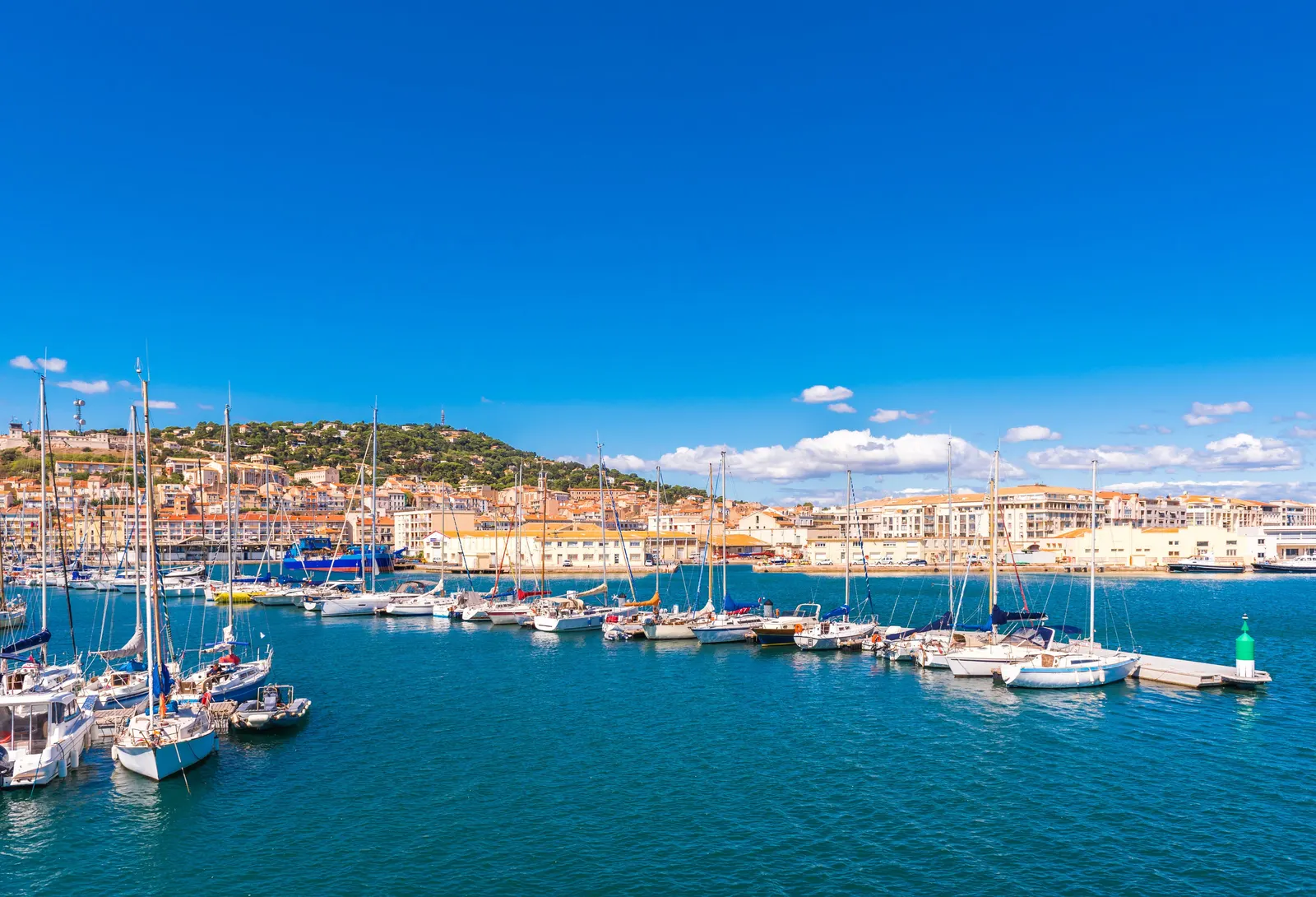
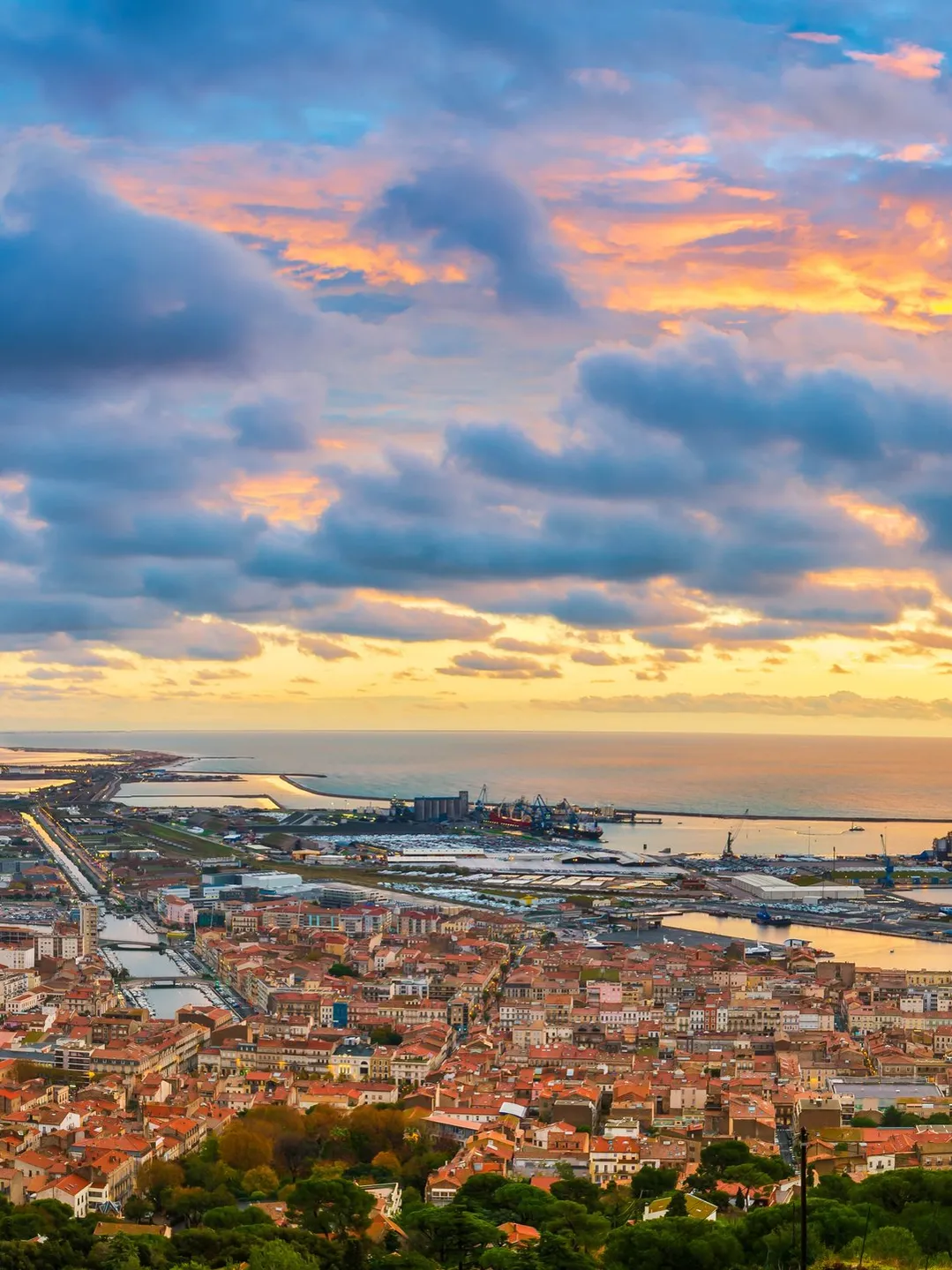
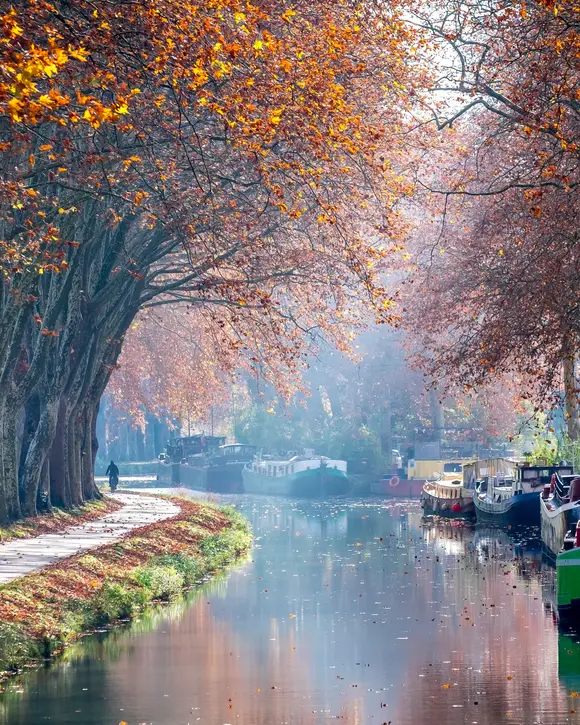
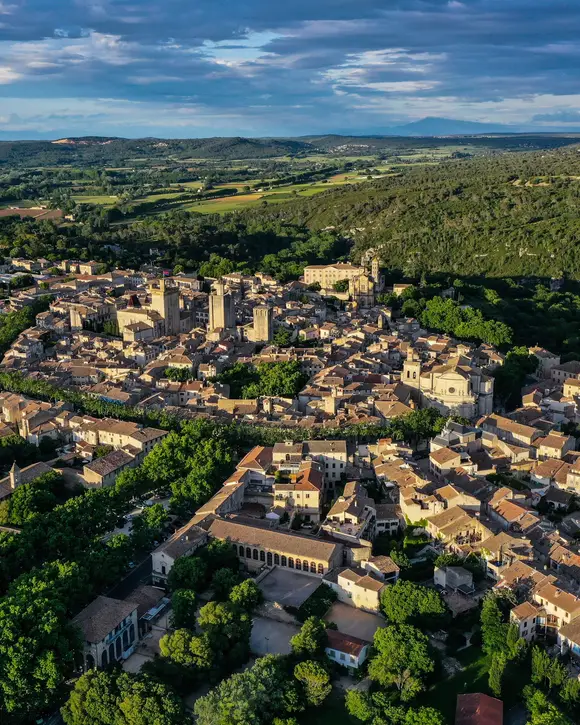
Because the town was born of the water: cut between sea and lagoon, crossed by canals including the royal one, spanned by turning bridges, with its commercial, fishing and pleasure ports at the foot of the mont Saint-Clair. That geography makes both the charm and the constraints of the market: water draws the addresses, damp works the walls. Buying in Sète means first choosing a position in relation to water, sea, lagoon or canal.
Which area should you buy in Sète?
The old centre and the canals for life on foot and the view of the water, the mont Saint-Clair for panoramas, the corniche for the beach, La Pointe-Courte for authenticity, the Môle for more contained values. Five quarters, five towns: the viewing decides, never the listing. Home Select, a buyer's agent in Sète, compares these quarters remotely with the buyer, who then views only the shortlisted properties, first seen on video, from the old centre to the mont Saint-Clair.
What can you buy on a contained budget?
At the Môle and in some quarters still discounted, simple apartments and houses to restore; at La Pointe-Courte, fishermen’s houses for those who love the quarter. On the renovated quays, the entry is higher and supply scarce. The town still lets you choose, better than its neighbours.
What should you watch before signing?
The damp in the walls along the canal, the state of the façades, the energy performance of the old stock, parking in the centre, and the urban projects nearby. None of that reads on a listing: it is checked on paper and on site, before the offer.
Who buys in Sète today?
Montpellier residents forty minutes away, Parisians arriving by direct train, Northern Europeans and artists restoring the old stock, Sète families who stay. That mix keeps the market alive all year: Sète is not a resort that closes in October.
Is the coast at Sète exposed to erosion?
On the lido that runs towards Marseillan, yes: the sea is eating into the beach, and the coast road has been moved back alongside the railway to let the dune rebuild itself. A residence on the corniche or the lido is therefore also judged on its exposure to storm surges and marine flooding, shown in the risk report. On the shore of the Thau lagoon, which is salt water, the loi Littoral applies too: outside built-up areas, the hundred-metre strip remains off-limits to building.
Do you have a buyer’s agent in Sète?
Yes, though not as a local branch: outside Île-de-France, Home Select runs every search from its head office, with its network of 15,000 professional partners. Each property is vetted on paper, then toured in a video pre-viewing led with the seller’s agent, and you travel only once, for the decisive viewings. The guide “Buying property in France remotely” spells out how it works.
How to choose your buyer’s agent in Sète?
To hunt in Sète, check four points: a search mandate on the buyer’s side only, published fees due on success, a written method, proof that lasts. Home Select answers all four: founded in 2011, 1,200+ buyers guided, 4.8/5 on Google (145 reviews), fees displayed, 100% on success.