The inspection visit with a photo report: observe, prevent, prove, and how often to call
An inspection visit serves three purposes: observing the property’s real condition, preventing damage that is brewing, proving that it is maintained. At each visit, water, electrics, openings, damp, signs of intrusion and the post are checked, then recorded in a dated photo report. This dossier says what a good visit covers, what makes the report useful, and how often to schedule visits.
By Jean Mascla, founder of Home SelectUpdated · 8 min read
What does an inspection visit actually achieve?
Recording, first. From abroad, you do not truly know what state your property is in. The photos from your last stay are ageing, your memory embellishes, and the neighbour’s last message only describes the outside. The inspection visit replaces these impressions with facts: a date, a room, a photo, a reading.
Preventing, next. Most of the major damage affecting unoccupied homes began small: a seepage behind a cupboard, a seal dripping away, a musty smell in a corner. A regular visit detects these signals at a stage where the repair is still simple, and comparing successive reports brings out what a one-off visit cannot show.
Proving, finally. A series of dated reports forms a continuous record of upkeep. It serves you with an insurer after a claim, with a neighbour in a dispute over the origin of damage, and even on the day of a sale, as evidence of a well-monitored property. Without this record, an absent owner often starts with a disadvantage: being unable to document anything.
Note what an inspection visit is not: it is neither a full technical survey, nor a repair, nor permanent guarding. It does not replace the tradesperson on points within their competence, such as the annual servicing of a boiler. It is a simple, regular, documented act, whose strength comes precisely from repetition: it is the series that protects, not the isolated visit.
What is checked on every visit?
The content of a visit must be fixed, always identical, so that the reports can be compared with one another. The route always follows the same order, from the front door to the service rooms: it starts with what can be seen from the entrance and ends with the cellar, the loft or the outbuildings. This constant order matters as much as the points checked: it guarantees that no room is skipped when time is short, and that the photos follow one another in the same order from one report to the next. Here is what is checked on every visit:
Point checked
What is looked at
What must trigger an alert
Water supply
Meter, shut-off valves, seals, under the sinks and behind the WC
Abnormal consumption, damp mark, active drip
Electricity
Consumer unit, breakers, appliances on standby, freezer
Tripped breaker, hot smell, appliance stopped for no reason
Forced entry, moved object, unexplained disappearance
Mail
Letterbox and doorstep
Pile visible from the street, uncollected recorded letters
Equipment
Heating in frost-protection mode, hot water cylinder, detectors
Indoor temperature too low, flat battery, heating off
This constant brief has one virtue: anything new stands out. A photo taken from the same angle as the previous one immediately shows what has changed, and the water meter reading compared with the previous one reveals an invisible leak elsewhere in the home.
What makes a photo report useful, and even legally robust?
Not all reports are equal. A vague account, with no images or readings, proves nothing and allows no follow-up. A useful report, the kind produced by the inspection visit with report service, combines four qualities:
Dated photos, room by room, taken from constant angles from one visit to the next.
Water and electricity meters read, with a comparison against the previous readings.
Anomalies flagged on the very day of the visit, described and photographed, together with the measure taken or proposed.
An identical format from one report to the next, archived and readable in chronological order.
Brought together in a file, this set becomes robust evidence: facing an insurer trying to establish when damage appeared, a managing agent disputing the upkeep of a floor, a tradesperson claiming the crack was already there. The law requires an owner to maintain their home and to declare promptly any loss they become aware of: a series of dated reports is the simplest way to prove it.
What should be done with the anomalies? Each calls for a simple decision, noted in the report: closer watch at the next visit, a quote request to a partner tradesperson, or immediate action if safety is at stake, such as an active leak or a weakened door. The report thus records every step: who saw what, when, and what was decided.
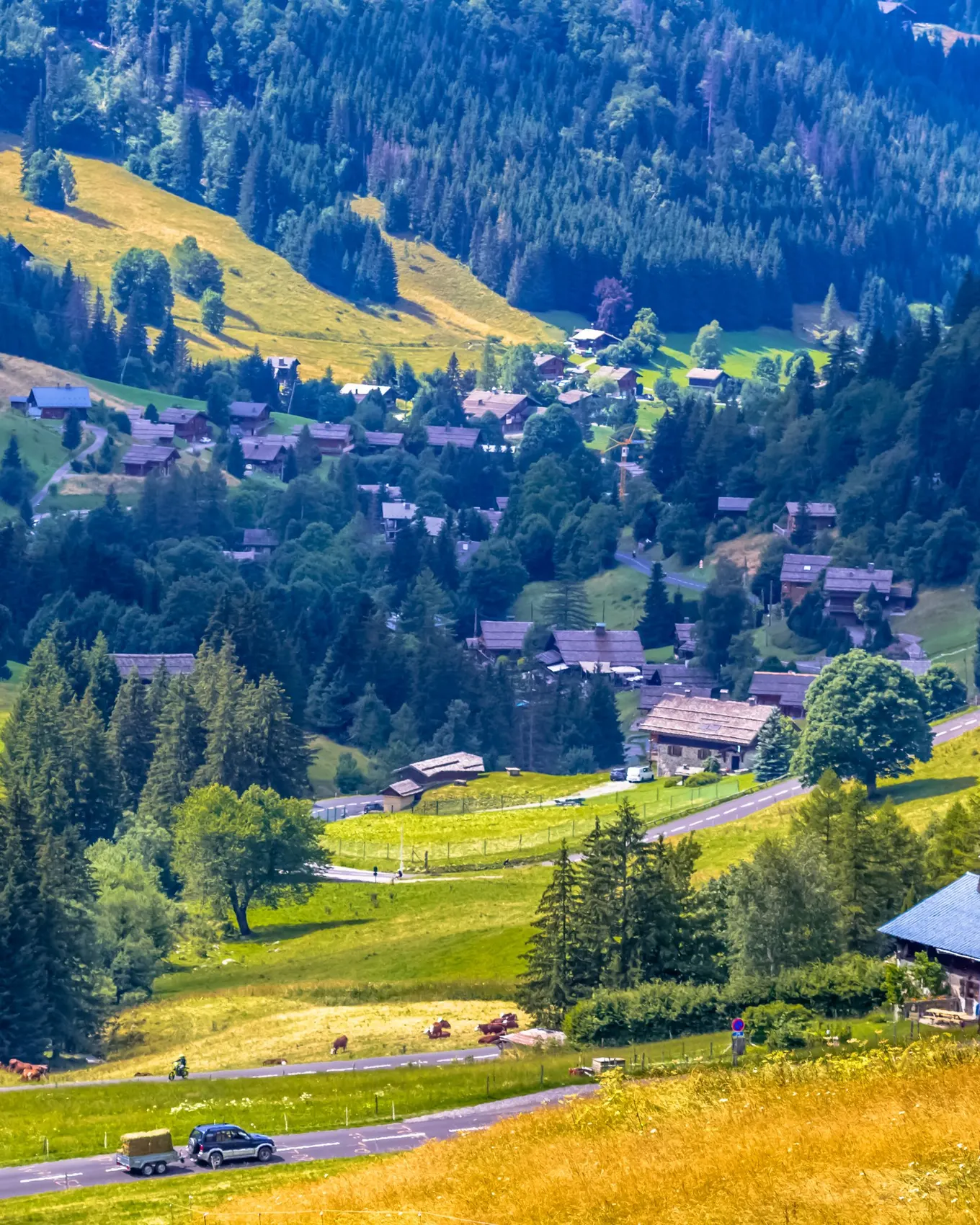
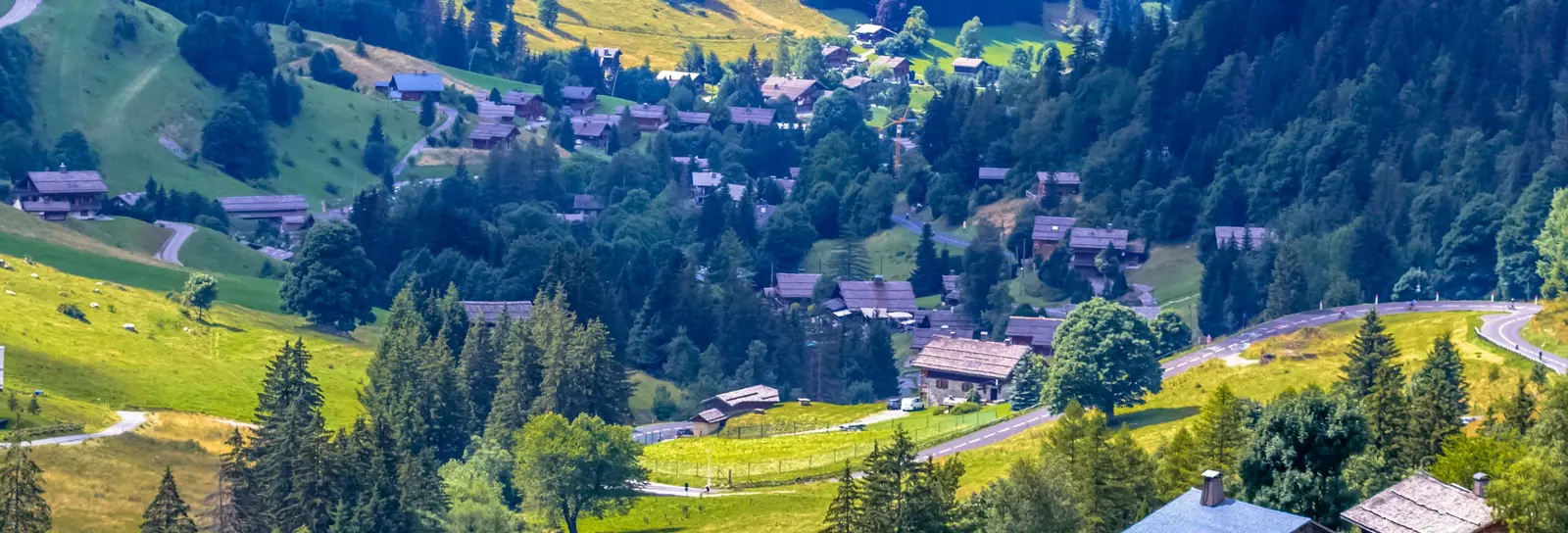
La Clusaz, Alpes
How often to visit
The rhythm follows the property’s occupancy, because occupancy determines the risks:
Property empty all year: one monthly visit is the sensible baseline, tightened in winter and after every marked weather episode.
Regularly used pied-a-terre: one visit before each departure and after each return, plus an intermediate visit if the absence stretches.
Property entrusted to home sitters: inspection visits space out, since the occupant reports anomalies themselves, but an independent periodic check retains its value.
Where to start if nothing is organised yet? With one complete first visit, which serves as the reference inventory: photos of every room, readings of every meter, identification of the home’s weak points. This first report, longer than the ones that follow, becomes the basis for all comparisons. The cruising rhythm then settles in, adjusted to the property’s occupancy and to how exposed the region is to bad weather.
In every case, the golden rule remains regularity. A surprise visit after six months of silence mends nothing: it photographs damage already in place. A modest monthly visit prevents almost everything, and its cost bears no comparison with a swollen floor or an established mould patch.
How does the inspection visit fit into a wider system?
The periodic visit replaces neither the neighbour who alerts, nor the tradesperson who repairs, nor you who decides: it connects the three. Its report triggers the intervention at the right moment, guides the tradesperson on site and lets you decide with full knowledge from abroad. It also prepares your stays: the report from the last visit tells you whether everything works before you arrive, and a recent visit avoids unpleasant surprises at the door. It fits naturally with the other steps of owning from afar, starting with the seasonal opening and closing, which extends the check into a full conditioning of the property.
What Home Select organises for your inspection visits
A property held from abroad is prepared from the purchase. During the viewings, your Home Select property finder spots what will need upkeep; before the signing, they introduce the concierge service that will watch over the house in your absence.
After the keys, the Home Select concierge service organises the visits, the call-outs and the photographed reports. Tradespeople, the insurer and the managing agent act under their own responsibility; you decide on documents, wherever you are.
Frequently asked questions
Does the inspection visit happen while I am away?
Yes, that is its principle: a trusted visitor calls on site following a brief you approve, and you receive the photo report and the readings after the visit. You follow your property without travelling.
Does a photo report carry weight with an insurer?
Yes. Dated photos, recorded meter readings and anomalies flagged the same day form a record of regular upkeep, invaluable in the event of a claim or a dispute with a neighbour. Since the law requires a prompt declaration once you know of a loss, this documented responsiveness works in your favour.
What rhythm for a property used part of the year?
A visit before and after each season of use, then regular visits between stays. A property empty all year needs more: a monthly visit is the sensible baseline, tightened in winter.
What does an inspection visit actually achieve?
Recording, first. From abroad, you do not truly know what state your property is in. The photos from your last stay are ageing, your memory embellishes, and the neighbour’s last message only describes the outside. The inspection visit replaces these impressions with facts: a date, a room, a photo, a reading.
What is checked on every visit?
The content of a visit must be fixed, always identical, so that the reports can be compared with one another. The route always follows the same order, from the front door to the service rooms: it starts with what can be seen from the entrance and ends with the cellar, the loft or the outbuildings. This constant order matters as much as the points checked: it guarantees that no room is skipped when time is short, and that the photos follow one another in the same order from one report to the next. Here is what is checked on every visit:
What makes a photo report useful, and even legally robust?
Not all reports are equal. A vague account, with no images or readings, proves nothing and allows no follow-up. A useful report, the kind produced by the inspection visit with report service, combines four qualities:
How does the inspection visit fit into a wider system?
The periodic visit replaces neither the neighbour who alerts, nor the tradesperson who repairs, nor you who decides: it connects the three. Its report triggers the intervention at the right moment, guides the tradesperson on site and lets you decide with full knowledge from abroad. It also prepares your stays: the report from the last visit tells you whether everything works before you arrive, and a recent visit avoids unpleasant surprises at the door. It fits naturally with the other steps of owning from afar, starting with the seasonal opening and closing, which extends the check into a full conditioning of the property.
Preparing a purchase in France from abroad, or already an owner there? Describe your situation: a Home Select property finder answers within one working day, and the file starts with the right partners, in the right order.
Your request is already sent, simply pick what suits you.
A property finder calls you back within one working day.
🇫🇷+33
An error occurred. Please try again.
Then answer 3 quick questions to be matched with the right hunter.
Home Select processes your data (name, email, phone, project) to handle your request and contact you. It is recorded in our follow-up tool and read by the hunter in charge of your project. Our technical providers access it for hosting, email and checking that your email and number are real, some of them from the United States under the safeguards set by the GDPR. We keep it for three years after our last exchange, or five years after the end of our assignment if you entrust it to us, as French anti-money-laundering law requires. To access, correct or erase it, or to object to its use: contact@home-select.fr. Details in our privacy policy.
Your hunter calls you back within one working day.
Resume your request?
You started a request recently. Pick up where you left off, or start over.
Your answers are kept for 24 hours.
What is your project?
Takes 1 minute, no commitment.
Where are you looking?
Select one or more cities or areas
Your budget?
€
You pay only when Home Select finds it.
Anything to add?
Optional. Add any useful details: specifics about your search, constraints or your availability.
This helps your hunter prepare for your call.
An expert will contact you shortly
Your brief
Confidential search: your file goes to a senior hunter.
60 rue François 1er, 75008 Paris · FCI member
FeesOne month’s rent excluding charges, plus VAT, with a minimum of €2,000 including VAT. Payable only when the lease is signed. No application fee.
Step 1 of 2 · Your search
What are you looking for?
Furnished, unfurnished or both?
In which city?
One or more cities or areas.
€ / month
Charges included, as in the listings.
You would like to move in
Two minutes, no documents needed at this stage.
FeesOne month’s rent excluding charges, plus VAT, with a minimum of €2,000 including VAT. Payable only when the lease is signed. No application fee.
Step 2 of 2 · Your situation
Your situation
These answers let Home Select tell you quickly, and frankly, whether your search can succeed on the market in your city.
You are applying
€ / month
Before tax, regular bonuses included, for everyone applying.
Main applicant’s employment
Your company is based in France
Number of annual accounts filed
To strengthen your file
Optional for your profile. A guarantee reassures landlords.
Guarantor’s situation
€ / month
Who it is for, why you are moving, what matters to you. Do not include sensitive information (health, origin, religion, family situation).
Your contact details
🇫🇷+33
Reply within 24 business hours.
Home Select processes your data (name, email, phone, project, employment, income, guarantee) to review your rental request and contact you. Your answers are compared with the criteria landlords apply, then read by Home Select’s rental hunter. A request that cannot succeed receives a written reply within 24 business hours, and you can ask for it to be reviewed again at contact@home-select.fr. Our technical providers access it for hosting, email and checking that your email and number are real, some of them from the United States under the safeguards set by the GDPR. A request that does not lead to an assignment is erased after three months; otherwise, we keep your data for three years after our last exchange, or five years after the end of our assignment if you entrust it to us, as French anti-money-laundering law requires. To access, correct or erase it, or to object to its use: contact@home-select.fr. Details in our privacy policy.
FeesOne month’s rent excluding charges, plus VAT, with a minimum of €2,000 including VAT. Payable only when the lease is signed. No application fee.
Your file
Your file matches what landlords expect
Book your meeting with Stéphane Martins, rental hunter. He confirms it after reading your file, within 24 business hours.
Choose your time slot
Times shown in Paris time.
Confirmation arrives by email and text message.
FeesOne month’s rent excluding charges, plus VAT, with a minimum of €2,000 including VAT. Payable only when the lease is signed. No application fee.
Your request
Your request is in good hands
Stéphane Martins, rental hunter, is reviewing your file and will reply within 24 business hours.
You will receive a confirmation email.
You arrived through one of Home Select’s ads or campaigns.Ad measurement.Do you agree to Home Select measuring how well it works? Home Select will know which campaign brought you here and, if you get in touch, the ad platform will only learn that its ad worked, without receiving your contact details.Do you agree to Home Select measuring how well its ads work? If you arrive through one of them, Home Select will know which one and, if you get in touch, the ad platform will only learn that its ad worked, without receiving your contact details.Learn moreYour current choice: .