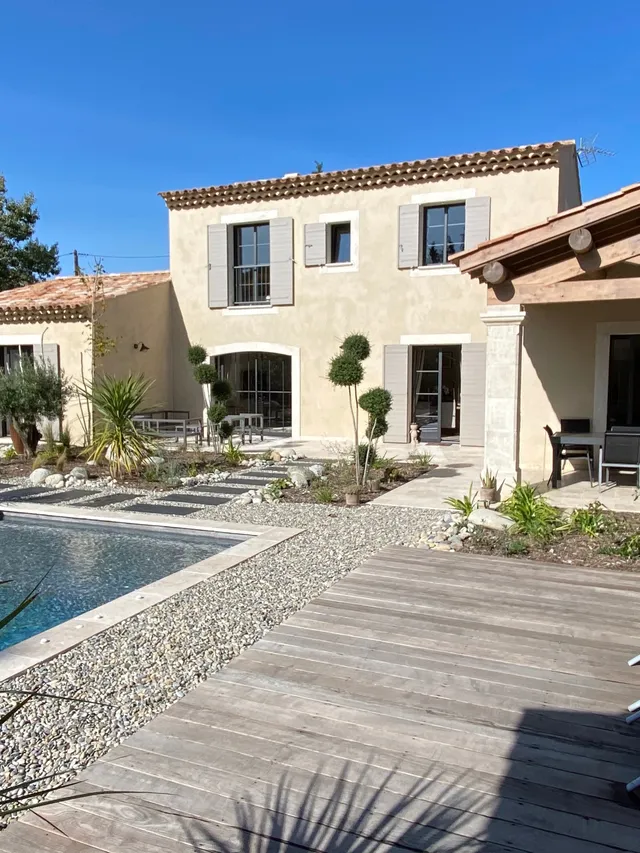
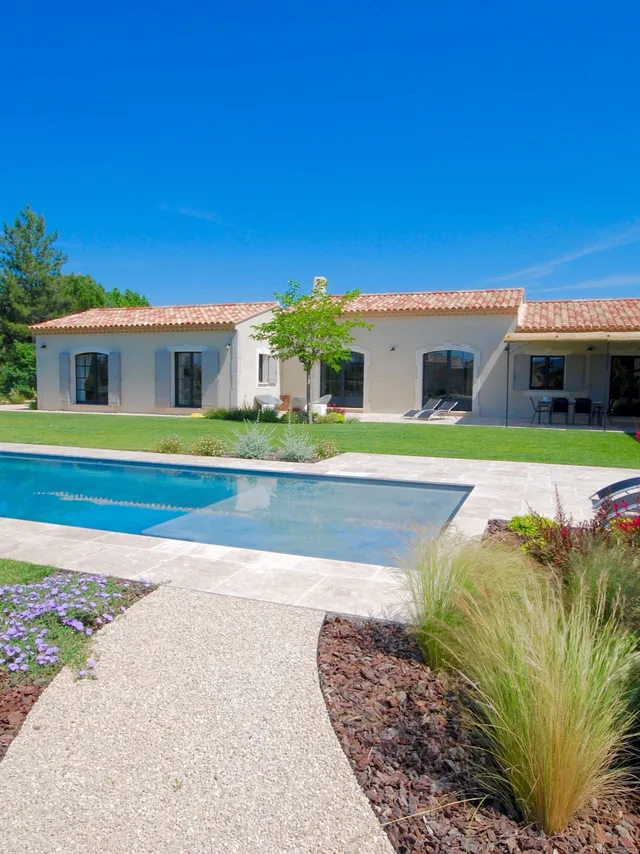
After a storm or a frost: having the roof and facades of a house held from afar inspected
A shifted tile makes no noise, and from abroad nobody looks up at your roof. After a storm or a frost, the inspection must therefore be triggered rather than awaited: a view from the ground, photos, a claim to the insurer within the policy deadlines, no repair before the adjuster except in an emergency. This dossier details that protocol, the annual check that completes it, and who does what.
By Jean Mascla, founder of Home SelectUpdated · 7 min read
Why is roof damage always spotted too late?
A displaced tile makes no noise. The water slipping through does not pour in: it seeps in a thin stream, crosses the under-roof, soaks the insulation and dampens the frame. For weeks, sometimes months, everything remains invisible from the living rooms: the stain only appears on the ceiling once the materials upstream are saturated. By then, the repair no longer concerns one tile but an entire assembly.
Frost works the same way, silently. The freeze-and-thaw cycle lifts tiles, loosens fixings, bursts ageing flashings and opens the joints of the facade. Each episode worsens the previous one, and the first visible sign often arrives seasons later, at the worst moment.
From abroad, nobody looks up at your roof. The neighbour notices a fallen branch, not a shifted row of tiles; the post says nothing about the overflowing gutter. That is why roof and facade checks must be triggered, not awaited: they belong to the reflexes you install, not to the evidence that presents itself.
The protocol to follow straight after a weather alert
The order of operations matters as much as the operations themselves. Here it is, as it unfolds.
The visual inspection first: from the ground, the street and an upper-floor window, sweep the roof, the verges, the chimney stacks, the gutters and the trees overhanging the house with your eyes. Never climb up.
The photos next: general and close-up views, time-stamped, before any clean-up and before any tarping. They form the memory of the claim.
The interior, always: loft or attic, ceilings of the rooms below the roof, looking for damp marks, water points, mouldy smells.
The declaration to the insurer, within the deadlines set in the contract, even without a final assessment of the damage: an initial report describes what is observed, and the file is completed afterwards.
Waiting for the expert, finally: no definitive repair before their visit, except a clear emergency, tarping, securing, and in that case photos beforehand and safekeeping of the removed parts.
Better still: part of this protocol is prepared before the season. In autumn, cleaning the gutters and pruning the branches overhanging the roof directly reduces the damage of the next gale. These season-closing gestures, repeated every year, are the best informal defence, and the post-storm check then merely confirms that everything held.
For an owner abroad, this protocol requires someone on site, methodical and recording every step. This is precisely the role of the Home Select concierge service: someone on site records, photographs, documents the declaration, then coordinates the trades and reports back at every stage.
The tree and the facade after a gust
The roof is not the only exposed part. Wind also works on vegetation and walls, and that damage is resolved easily when caught early.
The tree first: a branch looming over a roof, a leaning trunk, lifted roots cracking a slab. A branch rubbing a tile with every gust wears the roofcovering prematurely, and a hanging branch always ends up falling. Pruning belongs to an equipped professional, never to an improvised ladder and saw, especially near power lines.
The facade next: render cracked beside a hanging gutter, torn flashing, a bent downpipe throwing water against the wall instead of carrying it away. A wall repeatedly soaked becomes waterlogged, and the damage slowly works down towards the lower floors or the foundations. The earlier the discovery, the simpler the remedy: resetting a downpipe takes little effort, redoing waterlogged render across a whole elevation is a project.
Finally, the neighbourhood: if a tree on your plot now threatens the one next door, warning beats enduring the fall. Neighbourly courtesy counts double when you are away.
Étretat, Normandie
Why does a systematic annual check change everything?
The post-storm protocol is a reaction; the annual check is prevention, and it is what genuinely softens claims. Once a year, ideally after winter, a full inspection records the state of the roof, gutters, facades and trees, with photos compared with the previous year’s. Ageing then reads like a slope: what moves from one year to the next calls for vigilance, what is stable can be left alone.
Outside sign
What it may hide
Action
Displaced or missing tiles
Exposed under-roof, slow infiltration
Close inspection, photos, insurer
Hanging or blocked gutter
Water thrown against the facade, waterlogged wall
Cleaning and refitting by a professional
Stair-step crack in the render
Movement or shrinkage, water entering the wall
Close monitoring, professional opinion
Looming branch
Fall onto the roof or onto a person
Secured pruning without delay
Corroded flashing
Discreet puncturing at the next rain
Targeted replacement
Dark mark under a valley
An old, active leak
Leak search and declaration
The ideal window falls after the last frosts and before plant growth: winter damage is visible, vegetation does not yet hide it, and roofers organise their season around it.
This annual check also plays a less visible role: it documents the condition of the property over the years. In the event of a claim, the insurer more quickly separates recent damage from old wear, and the file moves forward without a sterile dispute over the origin of the defects.
Who does what when you live abroad?
The division is clear. You watch the weather alerts for your region and trigger the inspection. Someone local carries out the visual inspection and the photos. The insurer processes the declaration and appoints an expert if the file requires one. Qualified firms, selected for roofing and masonry work, step in once agreement is given. The Home Select concierge service holds the orchestration: checking that each stage follows the previous one, keeping the written record and reporting back, without you having to chase across time zones.
What Home Select organises for your roof after an alert
A property held from abroad is prepared from the purchase. During the viewings, your Home Select property finder spots what will need upkeep; before the signing, they introduce the concierge service that will watch over the house in your absence.
After the keys, the Home Select concierge service organises the visits, the call-outs and the photographed reports. Tradespeople, the insurer and the managing agent act under their own responsibility; you decide on documents, wherever you are.
Frequently asked questions
Who should climb onto the roof to inspect it after a storm?
Nobody but an equipped roofer. From the ground and from an upper-floor window, a trained eye already spots the essentials: displaced tiles, torn flashing, a looming branch. Accessing the roof itself remains a matter for a professional.
May repairs be made before the expert’s visit?
Only emergency measures are taken immediately: tarping, securing, removing a dangerous branch, always after taking photos. Definitive repairs wait for the insurer’s agreement, to preserve the assessment of the damage.
Does the insurer always send an expert?
No: depending on the apparent extent of the damage, the file may be settled on documents alone. This is precisely why time-stamped photos, taken before any clean-up, matter so much: they carry the demonstration in the expert’s place.
Why is roof damage always spotted too late?
A displaced tile makes no noise. The water slipping through does not pour in: it seeps in a thin stream, crosses the under-roof, soaks the insulation and dampens the frame. For weeks, sometimes months, everything remains invisible from the living rooms: the stain only appears on the ceiling once the materials upstream are saturated. By then, the repair no longer concerns one tile but an entire assembly.
Why does a systematic annual check change everything?
The post-storm protocol is a reaction; the annual check is prevention, and it is what genuinely softens claims. Once a year, ideally after winter, a full inspection records the state of the roof, gutters, facades and trees, with photos compared with the previous year’s. Ageing then reads like a slope: what moves from one year to the next calls for vigilance, what is stable can be left alone.
Who does what when you live abroad?
The division is clear. You watch the weather alerts for your region and trigger the inspection. Someone local carries out the visual inspection and the photos. The insurer processes the declaration and appoints an expert if the file requires one. Qualified firms, selected for roofing and masonry work, step in once agreement is given. The Home Select concierge service holds the orchestration: checking that each stage follows the previous one, keeping the written record and reporting back, without you having to chase across time zones.
What should be done straight after a storm or a frost?
Have the house inspected from the ground and an upper-floor window, never climbing up: roof, verges, chimneys, gutters, trees. Photograph before any clearing up, check the loft and the ceilings under the roof, declare to the insurer within the policy deadlines, then wait for the adjuster: only emergency measures, tarpaulin or making safe, are taken before, backed by photos.
Preparing a purchase in France from abroad, or already an owner there? Describe your situation: a Home Select property finder answers within one working day, and the file starts with the right partners, in the right order.
Your request is already sent, simply pick what suits you.
A property finder calls you back within one working day.
🇫🇷+33
An error occurred. Please try again.
Then answer 3 quick questions to be matched with the right hunter.
Home Select processes your data (name, email, phone, project) to handle your request and contact you. It is recorded in our follow-up tool and read by the hunter in charge of your project. Our technical providers access it for hosting, email and checking that your email and number are real, some of them from the United States under the safeguards set by the GDPR. We keep it for three years after our last exchange, or five years after the end of our assignment if you entrust it to us, as French anti-money-laundering law requires. To access, correct or erase it, or to object to its use: contact@home-select.fr. Details in our privacy policy.
Your hunter calls you back within one working day.
Resume your request?
You started a request recently. Pick up where you left off, or start over.
Your answers are kept for 24 hours.
What is your project?
Takes 1 minute, no commitment.
Where are you looking?
Select one or more cities or areas
Your budget?
€
You pay only when Home Select finds it.
Anything to add?
Optional. Add any useful details: specifics about your search, constraints or your availability.
This helps your hunter prepare for your call.
An expert will contact you shortly
Your brief
Confidential search: your file goes to a senior hunter.
60 rue François 1er, 75008 Paris · FCI member
FeesOne month’s rent excluding charges, plus VAT, with a minimum of €2,000 including VAT. Payable only when the lease is signed. No application fee.
Step 1 of 2 · Your search
What are you looking for?
Furnished, unfurnished or both?
In which city?
One or more cities or areas.
€ / month
Charges included, as in the listings.
You would like to move in
Two minutes, no documents needed at this stage.
FeesOne month’s rent excluding charges, plus VAT, with a minimum of €2,000 including VAT. Payable only when the lease is signed. No application fee.
Step 2 of 2 · Your situation
Your situation
These answers let Home Select tell you quickly, and frankly, whether your search can succeed on the market in your city.
You are applying
€ / month
Before tax, regular bonuses included, for everyone applying.
Main applicant’s employment
Your company is based in France
Number of annual accounts filed
To strengthen your file
Optional for your profile. A guarantee reassures landlords.
Guarantor’s situation
€ / month
Who it is for, why you are moving, what matters to you. Do not include sensitive information (health, origin, religion, family situation).
Your contact details
🇫🇷+33
Reply within 24 business hours.
Home Select processes your data (name, email, phone, project, employment, income, guarantee) to review your rental request and contact you. Your answers are compared with the criteria landlords apply, then read by Home Select’s rental hunter. A request that cannot succeed receives a written reply within 24 business hours, and you can ask for it to be reviewed again at contact@home-select.fr. Our technical providers access it for hosting, email and checking that your email and number are real, some of them from the United States under the safeguards set by the GDPR. A request that does not lead to an assignment is erased after three months; otherwise, we keep your data for three years after our last exchange, or five years after the end of our assignment if you entrust it to us, as French anti-money-laundering law requires. To access, correct or erase it, or to object to its use: contact@home-select.fr. Details in our privacy policy.
FeesOne month’s rent excluding charges, plus VAT, with a minimum of €2,000 including VAT. Payable only when the lease is signed. No application fee.
Your file
Your file matches what landlords expect
Book your meeting with Stéphane Martins, rental hunter. He confirms it after reading your file, within 24 business hours.
Choose your time slot
Times shown in Paris time.
Confirmation arrives by email and text message.
FeesOne month’s rent excluding charges, plus VAT, with a minimum of €2,000 including VAT. Payable only when the lease is signed. No application fee.
Your request
Your request is in good hands
Stéphane Martins, rental hunter, is reviewing your file and will reply within 24 business hours.
You will receive a confirmation email.
You arrived through one of Home Select’s ads or campaigns.Ad measurement.Do you agree to Home Select measuring how well it works? Home Select will know which campaign brought you here and, if you get in touch, the ad platform will only learn that its ad worked, without receiving your contact details.Do you agree to Home Select measuring how well its ads work? If you arrive through one of them, Home Select will know which one and, if you get in touch, the ad platform will only learn that its ad worked, without receiving your contact details.Learn moreYour current choice: .