The French title deed: what a buyer living abroad receives on the day of the deed, and what comes later
In most countries, proof of ownership is handed over the same day. In France, the buyer leaves with the keys and a certificate; the certified copy of the deed, known as the title deed, arrives months later. This dossier explains why, and what that wait does not mean.
By Jean Mascla, founder of Home SelectUpdated · 6 min read
Why the buyer abroad worries
A few weeks after signing, a foreign buyer sometimes writes an anxious question to their notaire: the official document never arrived. In most systems they know, proof of ownership is handed over on the day or thereabouts. In France it arrives several months later, and that says nothing untoward.
What do you receive on the day of signing?
The keys, and an attestation of ownership drawn up by the office. That document runs to a page or two: it states who bought, what, on what date and at what price. It is an act of the notaire, it has official standing, and it covers almost everything you will need to do in the months that follow.
What you do not receive that day is the certified copy of the deed, the thing commonly called the title deed.
Where is the title, and why is it slow?
It does not yet exist in the form you are expecting. The original of the deed, the minute, stays with the office: it never leaves the premises. What will be sent to you is a certified copy, and it can only be issued once the formalities are complete, first among them registration at the land registry.
That registration takes time, and the delay varies a great deal from one office to another. Several months is usual. It is not negligence on the notaire’s part, and chasing them speeds nothing up: they are waiting for the same thing you are.
What is the notaire doing in the meantime?
Most of the work that protects your purchase, and that is invisible from abroad. They pay the transfer duties on your behalf, register the deed, have the charges that encumbered the property struck off, apportion the service charges between seller and buyer, and release the price to the seller once the checks are done, which is the subject of escrow.
The order of those operations is not incidental: it is because they happen after signing and before the title is issued that the final document attests to a clean position, rather than to one still to be verified.
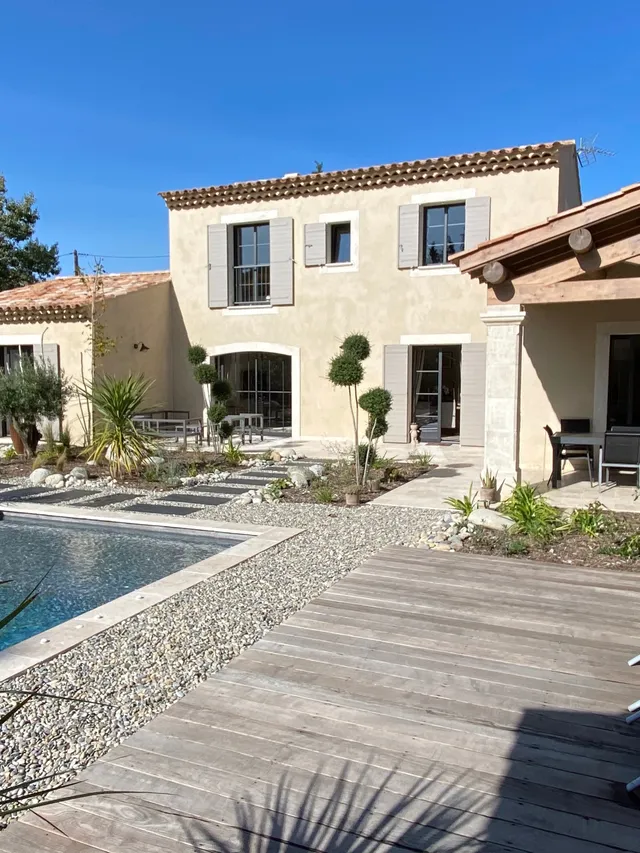
Sète, Occitanie
Are you the owner before registration?
Yes. As between you and the seller, ownership transfers on signature. You can move in, furnish, insure, let, carry out works.
Registration serves another purpose: making your right enforceable against third parties, that is against anyone claiming a right over the same property. It is registration that records your purchase in the file everyone can consult, and that fixes your priority. The distinction looks theoretical; it explains why the system is content to let you wait for the document with nothing hanging in the balance.
What is the attestation actually for?
For everything awaiting you in the following weeks. Opening energy and water accounts, taking out home insurance, introducing yourself to the building’s management, answering an administration, or evidencing your status as owner to a bank.
It is the document you will supply most often, far more than the title itself. Keep a legible digital copy, and send it to whoever looks after the property in your absence: a caretaker dealing with a leak on a Sunday has no time to ask you for it.
And later, if you need it again?
You ask the office for another copy. Since the original stays with the notaire for decades, losing the document you hold has no consequence: it is not that paper that proves anything, it is the original and the registration.
That is a fundamental difference from countries where the paper title is the right itself, and it is worth remembering before worrying. In France, the document you are waiting for is a confirmation, not a condition.
What Home Select organises for what follows the signing
Home Select searches and negotiates for the buyer, and for the buyer alone. Your property finder checks the property, the building’s documents and the calendar before you commit, and flags what deserves a question to the notaire or a clause in the offer.
Around the purchase, we introduce the partners used to buyers who live abroad: bilingual notaire, mortgage broker, lawyer, sworn translator. Each acts under their own responsibility; we keep the calendar, from the offer to the handing over of the keys.
Frequently asked questions
Can I resell before receiving the title deed?
Yes, ownership does not depend on the document being handed over. In practice, the new buyer’s notaire will obtain the information directly from the land registry and from the office holding the original. A quick resale is therefore not blocked by this wait, though it does take a little more coordination.
What if I lose my title deed?
Nothing serious: what you hold is a copy, and the original stays with the notarial office for decades. You simply request a fresh certified copy from the notaire who took the deed, or their successor. That is an important difference from systems where the paper document is the proof.
Is the attestation enough for tax and insurance?
Yes, in almost every routine step: home insurance, energy contracts, the building’s management, tax filings, administrative applications. It carries everything a third party needs, namely who bought what and when. Keep a legible digital copy, you will supply it more often than the title itself.
What do you receive on the day of signing?
The keys, and an attestation of ownership drawn up by the office. That document runs to a page or two: it states who bought, what, on what date and at what price. It is an act of the notaire, it has official standing, and it covers almost everything you will need to do in the months that follow.
Where is the title, and why is it slow?
It does not yet exist in the form you are expecting. The original of the deed, the minute, stays with the office: it never leaves the premises. What will be sent to you is a certified copy, and it can only be issued once the formalities are complete, first among them registration at the land registry.
What is the notaire doing in the meantime?
Most of the work that protects your purchase, and that is invisible from abroad. They pay the transfer duties on your behalf, register the deed, have the charges that encumbered the property struck off, apportion the service charges between seller and buyer, and release the price to the seller once the checks are done, which is the subject of escrow.
Are you the owner before registration?
Yes. As between you and the seller, ownership transfers on signature. You can move in, furnish, insure, let, carry out works. Registration serves another purpose: making your right enforceable against third parties, that is against anyone claiming a right over the same property. It is registration that records your purchase in the file everyone can consult, and that fixes your priority. The distinction looks theoretical; it explains why the system is content to let you wait for the document with nothing hanging in the balance.
What is the attestation actually for?
For everything awaiting you in the following weeks. Opening energy and water accounts, taking out home insurance, introducing yourself to the building’s management, answering an administration, or evidencing your status as owner to a bank.
And later, if you need it again?
You ask the office for another copy. Since the original stays with the notaire for decades, losing the document you hold has no consequence: it is not that paper that proves anything, it is the original and the registration.
Preparing a purchase in France from abroad, or already an owner there? Describe your situation: a Home Select property finder answers within one working day, and the file starts with the right partners, in the right order.
Your request is already sent, simply pick what suits you.
A property finder calls you back within one working day.
🇫🇷+33
An error occurred. Please try again.
Then answer 3 quick questions to be matched with the right hunter.
Home Select processes your data (name, email, phone, project) to handle your request and contact you. It is recorded in our follow-up tool and read by the hunter in charge of your project. Our technical providers access it for hosting, email and checking that your email and number are real, some of them from the United States under the safeguards set by the GDPR. We keep it for three years after our last exchange, or five years after the end of our assignment if you entrust it to us, as French anti-money-laundering law requires. To access, correct or erase it, or to object to its use: contact@home-select.fr. Details in our privacy policy.
Your hunter calls you back within one working day.
Resume your request?
You started a request recently. Pick up where you left off, or start over.
Your answers are kept for 24 hours.
What is your project?
Takes 1 minute, no commitment.
Where are you looking?
Select one or more cities or areas
Your budget?
€
You pay only when Home Select finds it.
Anything to add?
Optional. Add any useful details: specifics about your search, constraints or your availability.
This helps your hunter prepare for your call.
An expert will contact you shortly
Your brief
Confidential search: your file goes to a senior hunter.
60 rue François 1er, 75008 Paris · FCI member
FeesOne month’s rent excluding charges, plus VAT, with a minimum of €2,000 including VAT. Payable only when the lease is signed. No application fee.
Step 1 of 2 · Your search
What are you looking for?
Furnished, unfurnished or both?
In which city?
One or more cities or areas.
€ / month
Charges included, as in the listings.
You would like to move in
Two minutes, no documents needed at this stage.
FeesOne month’s rent excluding charges, plus VAT, with a minimum of €2,000 including VAT. Payable only when the lease is signed. No application fee.
Step 2 of 2 · Your situation
Your situation
These answers let Home Select tell you quickly, and frankly, whether your search can succeed on the market in your city.
You are applying
€ / month
Before tax, regular bonuses included, for everyone applying.
Main applicant’s employment
Your company is based in France
Number of annual accounts filed
To strengthen your file
Optional for your profile. A guarantee reassures landlords.
Guarantor’s situation
€ / month
Who it is for, why you are moving, what matters to you. Do not include sensitive information (health, origin, religion, family situation).
Your contact details
🇫🇷+33
Reply within 24 business hours.
Home Select processes your data (name, email, phone, project, employment, income, guarantee) to review your rental request and contact you. Your answers are compared with the criteria landlords apply, then read by Home Select’s rental hunter. A request that cannot succeed receives a written reply within 24 business hours, and you can ask for it to be reviewed again at contact@home-select.fr. Our technical providers access it for hosting, email and checking that your email and number are real, some of them from the United States under the safeguards set by the GDPR. A request that does not lead to an assignment is erased after three months; otherwise, we keep your data for three years after our last exchange, or five years after the end of our assignment if you entrust it to us, as French anti-money-laundering law requires. To access, correct or erase it, or to object to its use: contact@home-select.fr. Details in our privacy policy.
FeesOne month’s rent excluding charges, plus VAT, with a minimum of €2,000 including VAT. Payable only when the lease is signed. No application fee.
Your file
Your file matches what landlords expect
Book your meeting with Stéphane Martins, rental hunter. He confirms it after reading your file, within 24 business hours.
Choose your time slot
Times shown in Paris time.
Confirmation arrives by email and text message.
FeesOne month’s rent excluding charges, plus VAT, with a minimum of €2,000 including VAT. Payable only when the lease is signed. No application fee.
Your request
Your request is in good hands
Stéphane Martins, rental hunter, is reviewing your file and will reply within 24 business hours.
You will receive a confirmation email.
You arrived through one of Home Select’s ads or campaigns.Ad measurement.Do you agree to Home Select measuring how well it works? Home Select will know which campaign brought you here and, if you get in touch, the ad platform will only learn that its ad worked, without receiving your contact details.Do you agree to Home Select measuring how well its ads work? If you arrive through one of them, Home Select will know which one and, if you get in touch, the ad platform will only learn that its ad worked, without receiving your contact details.Learn moreYour current choice: .