An SCI for a family living abroad: what it makes easier, what it does not settle, who it suits
A société civile immobilière replaces direct ownership of a property in France with holding shares: the home belongs to the company, and you, your relatives or your children become partners in it. This framework mainly suits families who hold together or are preparing a transfer. On its own, it settles no non-resident tax question. This dossier says what an SCI makes easier, what it does not change, and for whom it is worth considering.
By Jean Mascla, founder of Home SelectUpdated · 8 min read
What is an SCI, in concrete terms?
A société civile immobilière is a legal entity: once registered, it holds the property in its own name, opens its own accounts and signs its own contracts. The partners hold shares in proportion to their contributions, and a manager, appointed by the articles, acts on the company’s behalf for day-to-day business.
The difference with direct ownership shows at two moments. At transfer, first: selling a property requires an authentic deed and a buyer, whereas shares change hands under an instrument governed by the articles, without moving the property itself. At management, next: in classic undivided ownership, every major decision requires unanimity, which blocks many sibling groups; in an SCI, the articles set the majorities, the approval of new partners and the manager’s powers. For a family scattered across several countries, this written framework is worth more than any emergency conference call.
Two routes in exist: buy the property directly in the company’s name, or contribute a property you already own, the contribution being recorded in an authentic deed received by a notaire.
What does an SCI ease for a family based abroad?
Three uses dominate, and each can be run from a distance.
Joint ownership, first. Sibling heirs, parents and children, unmarried couples: instead of an undivided ownership in which anyone can block the sale of the home, each partner holds their own shares, decisions follow written rules, and a disagreement is resolved through a transfer of shares rather than through deadlock.
A prepared transfer, next. Giving shares means giving a fraction of a property, which allows gifts to be spread over time and children to be involved during the parents’ lifetime. Shares can also be given as bare ownership while the parents keep the usufruct: this split ownership mechanism shapes so many successions that it has its own dossier.
Governance, finally. The articles settle what families forget to write down: who decides on works and at what majority, how general meetings are held. Meetings held by video call and resolutions recorded in minutes let you run the company from any time zone, without waiting for the annual reunion.
What does an SCI not solve?
This is the most important point for a non-resident: an SCI organises ownership, never taxation.
The tax treatment of a resale remains that of the seller, whether they act in their own name or through the company, under French rules and the tax treaty linking France to your country of residence. Allowances linked to how long the property was held, levies due on the capital gain, filing obligations: none of this disappears because the property sits inside a company. And if the company sells the property, the mechanics remain those of our guide to selling your property from abroad, with features only an adviser can settle.
Cross-border succession, in turn, depends on the rules of the country where the partners and the heirs reside. Some states do not recognise the French-style civil company, others tax shares under their own categories; the treaty between France and your country of residence often determines most of it. Our country guides walk through these interactions country by country, without replacing the study of an actual file.
What constraints must you accept?
An SCI lives at the rhythm of paperwork, and this must be accepted before signing the articles.
Setting up: drafting the articles, signing, registration with the companies register, legal notice formalities, opening a bank account in the company’s name.
Day to day: keeping accounts, convening meetings, recording collective decisions, a reachable and informed manager.
Exiting: transferring shares requires a buyer, the partners’ approval where the articles demand it, and its own registration duties. The market for shares is thin: a transfer is prepared, never improvised.
One point deserves particular attention for families abroad: the choice of manager. Resident or not, they must understand French obligations, keep the company’s life moving and stay reachable. Some choices are settled once and for all in the articles; others require regular follow-up, for which there is no substitute.
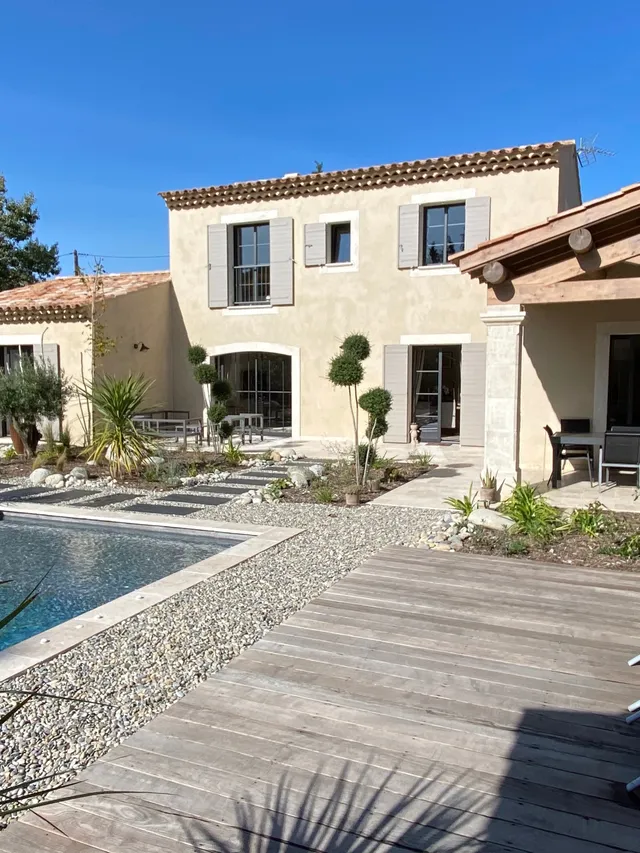
Mandelieu-la-Napoule, Côte d’Azur
Who genuinely benefits from an SCI?
The table below summarises the most common situations. No line should be read as a definitive answer: each case is examined with the advisers named in the last column.
Profile
Potential benefit of an SCI
To be decided with
Sibling heirs of a property
organised joint ownership, exit through share transfers, end of undivided-ownership deadlock
partner notaire
Parents preparing a transfer
staggered gifts of shares, children involved during the parents’ lifetime
partner notaire and partner tax adviser
Unmarried couple holding together
written framework for contributions, rights and exit
partner notaire
Partners resident in different countries
written governance, defined majorities, documented remote decisions
partner tax adviser
Sole buyer
benefit often limited, unless a specific transfer or joint holding project exists
partner notaire and partner tax adviser
The reading is straightforward: the more collective the ownership and the more anticipated the transfer, the more sense an SCI makes. The more the property is held alone, without a family project, the more the formalities weigh against the benefits. In between, only a personal review decides.
How to decide calmly?
The decision is always taken with an adviser: a partner notaire for drafting the articles, any contribution of the property and the legal security of the whole; a partner tax adviser for the interaction with your country of residence and that of the other partners. A partner bilingual notaire, used to non-resident files, drafts articles designed for a scattered family and secures every step, from registration to the first general meetings.
The decision remains a wealth-planning arbitration conducted with advisers; the execution becomes an organised file.
Setting up an SCI, contributing a property to it or simply weighing its merits deserves more than a template found online.
What Home Select organises for a family SCI
The SCI question comes up before the offer, not after: buying in a company’s name is decided before signing the preliminary contract, or provided for in it through a substitution clause. As soon as your holding or transfer plan takes shape, your Home Select property finder introduces the notaire and the tax adviser who will decide.
The notaire drafts the articles and secures the contribution or the purchase; the tax adviser checks how it fits with your country of residence and those of the other partners. Each acts under their own responsibility; our role is that the decision is made in time, and that the purchase keeps to the calendar.
Frequently asked questions
Is an SCI worthwhile for a non-resident?
It depends on the project. For joint ownership or a transfer being prepared with children, an SCI offers a flexible framework. For a sole buyer, the benefit is often limited given the formalities involved. The decision is made with a partner notaire and, depending on the countries, a partner tax adviser.
Does an SCI reduce a non-resident owner’s tax bill?
No, not on its own. An SCI structures ownership, not taxation: capital gains on resale, any rental income and inheritance remain governed by the treaties between France and your country of residence. See our country guides and decide with a partner tax adviser.
Can an SCI be set up from abroad?
Yes. The articles can be signed by proxy and the company registered without you travelling. A partner bilingual notaire drafts the articles and advises you on governance, while your Home Select property finder coordinates the timetable.
What is an SCI, in concrete terms?
A société civile immobilière is a legal entity: once registered, it holds the property in its own name, opens its own accounts and signs its own contracts. The partners hold shares in proportion to their contributions, and a manager, appointed by the articles, acts on the company’s behalf for day-to-day business.
What does an SCI not solve?
This is the most important point for a non-resident: an SCI organises ownership, never taxation. The tax treatment of a resale remains that of the seller, whether they act in their own name or through the company, under French rules and the tax treaty linking France to your country of residence. Allowances linked to how long the property was held, levies due on the capital gain, filing obligations: none of this disappears because the property sits inside a company. And if the company sells the property, the mechanics remain those of our guide to selling your property from abroad, with features only an adviser can settle.
What constraints must you accept?
An SCI lives at the rhythm of paperwork, and this must be accepted before signing the articles. One point deserves particular attention for families abroad: the choice of manager. Resident or not, they must understand French obligations, keep the company’s life moving and stay reachable. Some choices are settled once and for all in the articles; others require regular follow-up, for which there is no substitute.
Who genuinely benefits from an SCI?
The table below summarises the most common situations. No line should be read as a definitive answer: each case is examined with the advisers named in the last column. The reading is straightforward: the more collective the ownership and the more anticipated the transfer, the more sense an SCI makes. The more the property is held alone, without a family project, the more the formalities weigh against the benefits. In between, only a personal review decides.
How to decide calmly?
The decision is always taken with an adviser: a partner notaire for drafting the articles, any contribution of the property and the legal security of the whole; a partner tax adviser for the interaction with your country of residence and that of the other partners. A partner bilingual notaire, used to non-resident files, drafts articles designed for a scattered family and secures every step, from registration to the first general meetings.
Preparing a purchase in France from abroad, or already an owner there? Describe your situation: a Home Select property finder answers within one working day, and the file starts with the right partners, in the right order.
Your request is already sent, simply pick what suits you.
A property finder calls you back within one working day.
🇫🇷+33
An error occurred. Please try again.
Then answer 3 quick questions to be matched with the right hunter.
Home Select processes your data (name, email, phone, project) to handle your request and contact you. It is recorded in our follow-up tool and read by the hunter in charge of your project. Our technical providers access it for hosting, email and checking that your email and number are real, some of them from the United States under the safeguards set by the GDPR. We keep it for three years after our last exchange, or five years after the end of our assignment if you entrust it to us, as French anti-money-laundering law requires. To access, correct or erase it, or to object to its use: contact@home-select.fr. Details in our privacy policy.
Your hunter calls you back within one working day.
Resume your request?
You started a request recently. Pick up where you left off, or start over.
Your answers are kept for 24 hours.
What is your project?
Takes 1 minute, no commitment.
Where are you looking?
Select one or more cities or areas
Your budget?
€
You pay only when Home Select finds it.
Anything to add?
Optional. Add any useful details: specifics about your search, constraints or your availability.
This helps your hunter prepare for your call.
An expert will contact you shortly
Your brief
Confidential search: your file goes to a senior hunter.
60 rue François 1er, 75008 Paris · FCI member
FeesOne month’s rent excluding charges, plus VAT, with a minimum of €2,000 including VAT. Payable only when the lease is signed. No application fee.
Step 1 of 2 · Your search
What are you looking for?
Furnished, unfurnished or both?
In which city?
One or more cities or areas.
€ / month
Charges included, as in the listings.
You would like to move in
Two minutes, no documents needed at this stage.
FeesOne month’s rent excluding charges, plus VAT, with a minimum of €2,000 including VAT. Payable only when the lease is signed. No application fee.
Step 2 of 2 · Your situation
Your situation
These answers let Home Select tell you quickly, and frankly, whether your search can succeed on the market in your city.
You are applying
€ / month
Before tax, regular bonuses included, for everyone applying.
Main applicant’s employment
Your company is based in France
Number of annual accounts filed
To strengthen your file
Optional for your profile. A guarantee reassures landlords.
Guarantor’s situation
€ / month
Who it is for, why you are moving, what matters to you. Do not include sensitive information (health, origin, religion, family situation).
Your contact details
🇫🇷+33
Reply within 24 business hours.
Home Select processes your data (name, email, phone, project, employment, income, guarantee) to review your rental request and contact you. Your answers are compared with the criteria landlords apply, then read by Home Select’s rental hunter. A request that cannot succeed receives a written reply within 24 business hours, and you can ask for it to be reviewed again at contact@home-select.fr. Our technical providers access it for hosting, email and checking that your email and number are real, some of them from the United States under the safeguards set by the GDPR. A request that does not lead to an assignment is erased after three months; otherwise, we keep your data for three years after our last exchange, or five years after the end of our assignment if you entrust it to us, as French anti-money-laundering law requires. To access, correct or erase it, or to object to its use: contact@home-select.fr. Details in our privacy policy.
FeesOne month’s rent excluding charges, plus VAT, with a minimum of €2,000 including VAT. Payable only when the lease is signed. No application fee.
Your file
Your file matches what landlords expect
Book your meeting with Stéphane Martins, rental hunter. He confirms it after reading your file, within 24 business hours.
Choose your time slot
Times shown in Paris time.
Confirmation arrives by email and text message.
FeesOne month’s rent excluding charges, plus VAT, with a minimum of €2,000 including VAT. Payable only when the lease is signed. No application fee.
Your request
Your request is in good hands
Stéphane Martins, rental hunter, is reviewing your file and will reply within 24 business hours.
You will receive a confirmation email.
You arrived through one of Home Select’s ads or campaigns.Ad measurement.Do you agree to Home Select measuring how well it works? Home Select will know which campaign brought you here and, if you get in touch, the ad platform will only learn that its ad worked, without receiving your contact details.Do you agree to Home Select measuring how well its ads work? If you arrive through one of them, Home Select will know which one and, if you get in touch, the ad platform will only learn that its ad worked, without receiving your contact details.Learn moreYour current choice: .