





Skip to content

Selling and passing on

Mandatory diagnostics before a sale, organised from abroad: the list, validity and the traps

Before selling a home in France, the seller has a file of technical diagnostics drawn up and hands it to the buyer at the latest at the preliminary contract. Each diagnostic has its own validity, and an expired report counts as a missing one. When you live abroad, everything can be run remotely, provided it is done in the right order. This dossier says what the file contains, how long it lasts, what the seller risks and how to organise it without travelling.

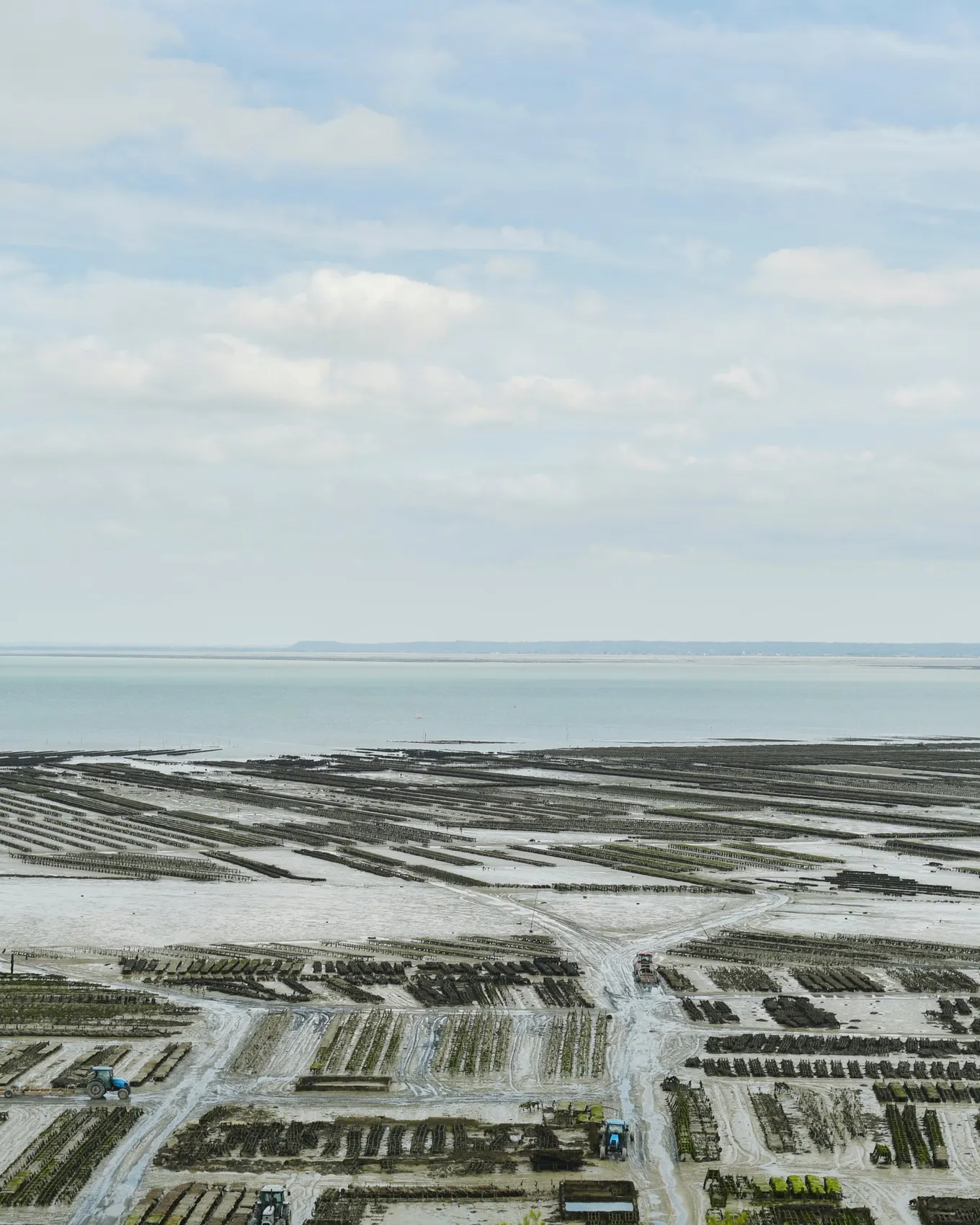
The Cancale oyster beds uncovered at low tide, the bay stretching to the horizon
Cancale, Brittany

By Jean Mascla, founder of Home Select Updated · 7 min read

What does the file handed to the buyer contain?

The technical diagnostics file brings together the surveys that inform the buyer about the condition of the home and the risks being taken. It accompanies the preliminary contract, then the authentic deed received by the notary. Here is the list, with the stake each document represents for you, the seller:

SurveyWhen it appliesStake for the seller
Energy performance (DPE)For every enclosed and covered building, with exceptionsThe rating weighs on buyer appeal, and a very energy-hungry home can face progressive bans on letting
AsbestosFor buildings whose planning permission predates a date set by the regulationsDegraded material triggers an obligation to carry out works before the sale, and the information must be exact
LeadFor buildings predating a date set by the regulationsA proven risk sets off information duties and, where there is degradation, works
ElectricityFor interior electrical installations beyond a certain ageIt informs the buyer about the safety of the installation, and protects you against a later defect claim
GasFor gas installations beyond a certain ageSame logic: informing about the safety of the installation
Termites and other wood-eating insectsIn zones delimited by prefectural orderA dated report locates any infestation in the timber of the building
Natural, mining and technological risksFor any property in a listed risk zoneInformation about exposure to risk is mandatory so the buyer can insure with full knowledge
DrainageFor any property not connected to the public networkThe individual system must be checked; non-compliance is often negotiated as a price adjustment or works

Two simple rules avoid most disappointments. First, a single survey does not make a file: it is the complete, up-to-date set that protects you. Second, the surveyor must be chosen with care: proper certification, professional insurance and a precise report, not a sloppy document that would expose you instead of covering you.
How long do the surveys remain valid?

This is where most of the pitfalls hide. Each survey follows its own validity logic: some expire quickly, others cover many years, and others still only run from the date the file is handed over. In other words, a report drawn up long ago may still be valid, or on the contrary void, depending on its nature. The only safe approach is to take stock a few weeks before going to market and to redo whatever needs redoing.

In practice, the timeline of a well-run sale looks like this:

  • Valuation and choice of pricing strategy.
  • Ordering the diagnostics file, grouped into a single appointment where possible.
  • Handing the file to the buyer by the signing of the preliminary contract at the latest.
  • Signing the preliminary contract, then the authentic deed before the notary, within a timeframe that is negotiated.

If time elapses between the preliminary contract and the deed, check that nothing has expired along the way: a file that was valid at the preliminary stage must still be on the day of the deed.

The seller’s liability

The protective logic is constant: the buyer must know what they are buying. If a survey is missing, expired or erroneous, you cannot invoke the as-is clause to exclude liability for hidden defects on the points that survey covers. A wronged buyer may seek a price reduction, damages, and in certain specific cases challenge the sale itself.

Liability can also attach to the surveyor, whose professional insurance can be called upon in case of error. But the first person exposed remains the seller: it is the seller who commissions, pays for and hands over the file. Hence three reflexes: keep the original reports, disclose in writing anything known that would complete the surveys, and never be tempted by a cut-price file, which protects nobody and always costs more later.

A word on the DPE, which has become central: its rating underpins thermal regulation, and a very energy-hungry home can face progressive bans on letting. Buyers factor it into their offer; better to know your rating before setting a price, a point the dossier on valuing a property for sale covers in detail.

The Cancale oyster beds uncovered at low tide, the bay stretching to the horizon

Cancale, Bretagne

How are the surveys organised from abroad?

Nothing requires the seller to be present. Remote organisation rests on three levers:

  • Access to the property: a set of keys entrusted to a trusted person on site, or access coordinated with the tenant if the property is occupied, with the notice provided for in the lease.
  • The grouped appointment: asking the surveyors to come together, or on the same day, reduces trips back and forth and the risk of omissions.
  • Digital receipt of the reports: the surveys are delivered as files, which you forward to the notaire and to the professional handling the sale.

Between the technicians’ visit and the handover of the file, an inspection visit with a photographed report secures the chain: it checks that the surveyors reached every room, that nothing was left open after the visit, and it documents the condition of the property on that date.

Surveys and selling strategy: what is the link?

The file is not an end-of-process formality: it is a selling argument. A complete, recent and readable file reassures, speeds up negotiation and reduces the risk of a price renegotiation after the preliminary contract. Conversely, an average DPE assumed from the listing onwards, with a costed works estimate if needed, is better than a last-minute discovery. And if the property is occupied by a tenant, the survey calendar must fit the chosen strategy, selling occupied or selling vacant.

A diagnostics file is not improvised at a distance: it is prepared.

What Home Select organises for your sale’s diagnostics

Home Select is first a property finder, on the buyer’s side: we know what serious buyers look at and what makes a sale fail at the preliminary contract. When you sell or pass on a property, your property finder frames the calendar and the documents with you, remotely.

We introduce the notaire used to sellers and heirs who live abroad, the surveyor for the diagnostics, the tax adviser and the tax representative where your country requires one. The deeds, the diagnostics and the tax are theirs, under their responsibility: our role is that everything arrives in order, without you having to fly in.

Frequently asked questions

Who must have the pre-sale surveys carried out?

The seller. The technical diagnostics file is at their expense and must be handed to the buyer by the signing of the preliminary contract at the latest. From abroad, this is organised remotely: access to the property, a grouped appointment, reports received digitally.

What does a seller risk if a survey is missing or inaccurate?

If the file is incomplete or wrong, the seller cannot exclude liability for hidden defects on the points the missing survey covers, and the buyer may seek compensation, or in some cases challenge the contract itself. Hence the importance of reliable surveyors and up-to-date reports.

Are the surveys carried out even if the property is tenanted?

Yes, the tenant cannot object: the lease provides a right of access for viewings and surveys, with reasonable notice and hours. It is simply a matter of warning in good time and coordinating the appointments, which someone on site can do for you.

What does the file handed to the buyer contain?

The technical diagnostics file brings together the surveys that inform the buyer about the condition of the home and the risks being taken. It accompanies the preliminary contract, then the authentic deed received by the notary. Here is the list, with the stake each document represents for you, the seller:

How long do the surveys remain valid?

This is where most of the pitfalls hide. Each survey follows its own validity logic: some expire quickly, others cover many years, and others still only run from the date the file is handed over. In other words, a report drawn up long ago may still be valid, or on the contrary void, depending on its nature. The only safe approach is to take stock a few weeks before going to market and to redo whatever needs redoing.

How are the surveys organised from abroad?

Nothing requires the seller to be present. Remote organisation rests on three levers: Between the technicians’ visit and the handover of the file, an inspection visit with a photographed report secures the chain: it checks that the surveyors reached every room, that nothing was left open after the visit, and it documents the condition of the property on that date.

Surveys and selling strategy: what is the link?

The file is not an end-of-process formality: it is a selling argument. A complete, recent and readable file reassures, speeds up negotiation and reduces the risk of a price renegotiation after the preliminary contract. Conversely, an average DPE assumed from the listing onwards, with a costed works estimate if needed, is better than a last-minute discovery. And if the property is occupied by a tenant, the survey calendar must fit the chosen strategy, selling occupied or selling vacant.

Preparing a purchase in France from abroad, or already an owner there? Describe your situation: a Home Select property finder answers within one working day, and the file starts with the right partners, in the right order.

Discuss your project

Talk to Home Select about your project

Describe what you are looking for, anywhere in France. A property finder answers within one working day, with no commitment.