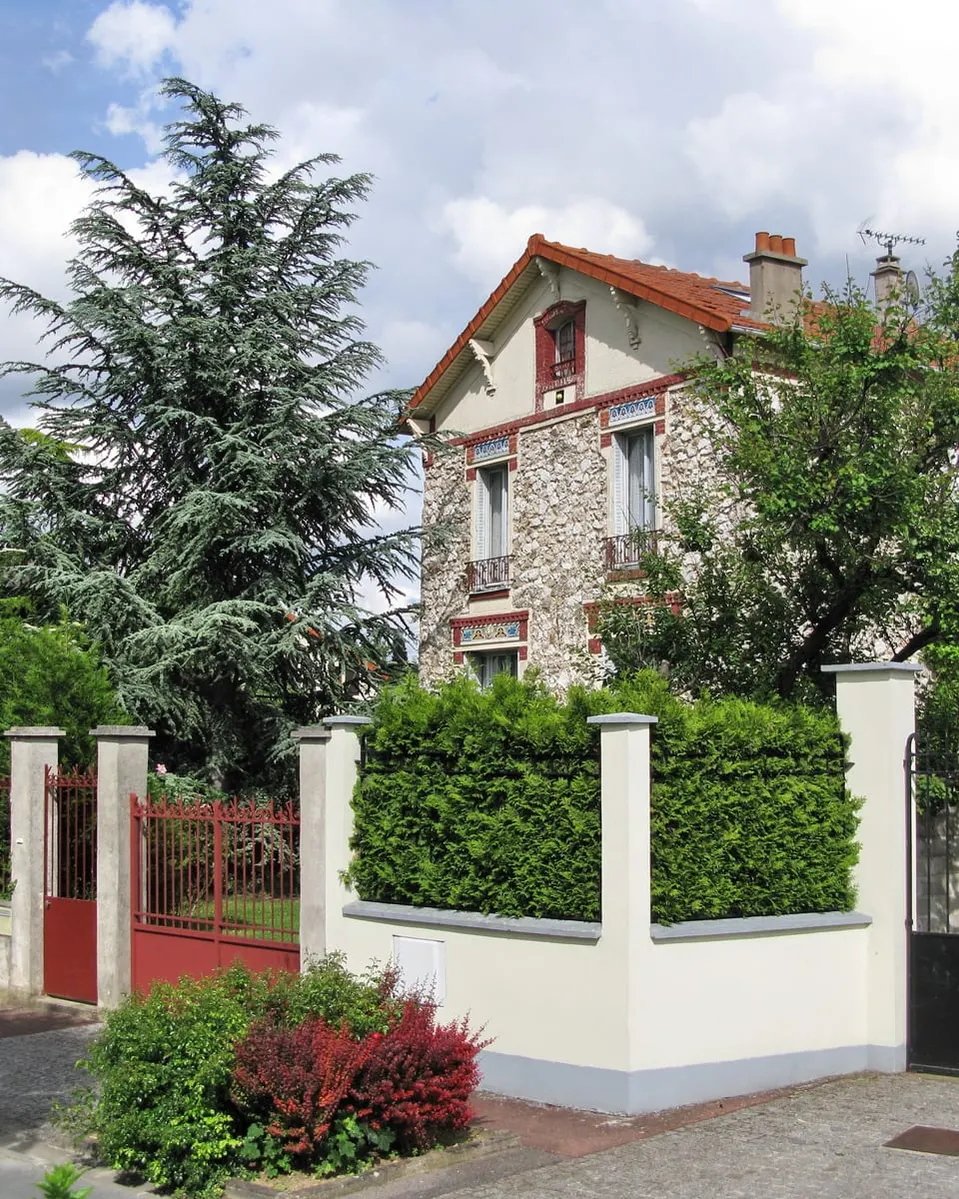
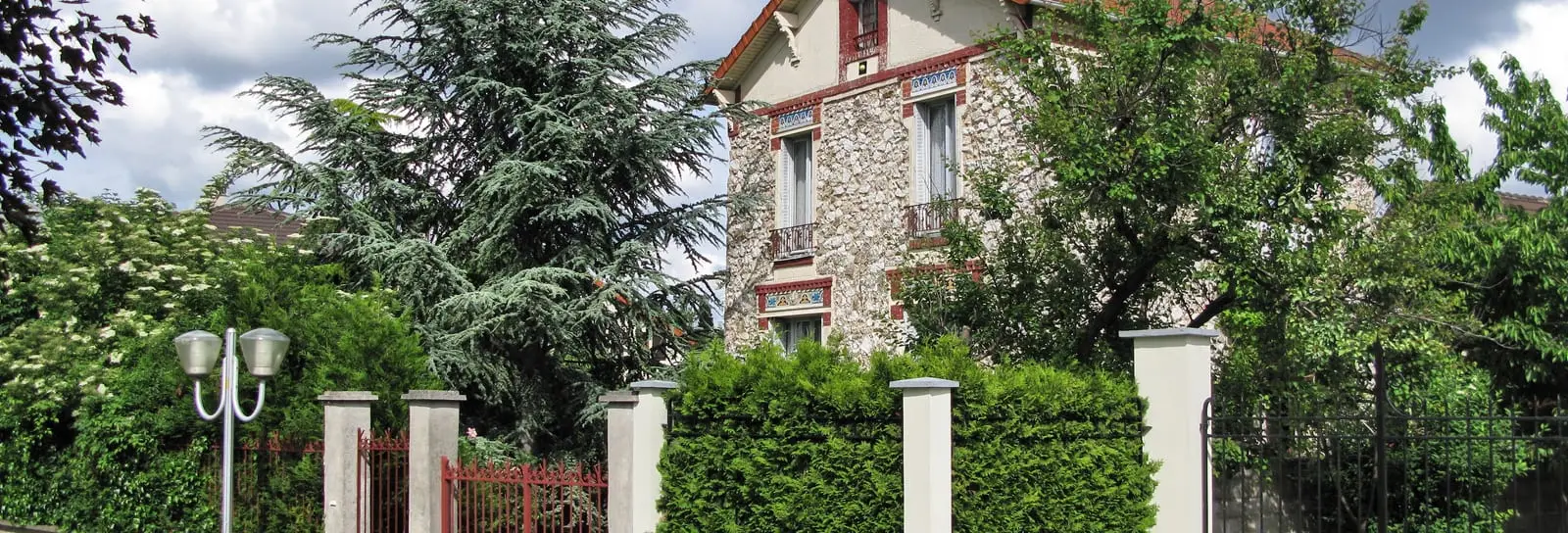
Buying a maison de maître in France, in town, in a village or in the country
Buying a maison de maître, the grand bourgeois house of France, means buying the home of a notable, a merchant or a village doctor: regular proportions, high ceilings, a symmetrical façade and, almost always, a walled garden. This guide from Home Select, a buyer’s agent on the buyer’s side since 2011, tells you where these houses are sold, how to read their price, what to check in an 18th- or 19th-century building, and how to negotiate.
By Jean Mascla, founder of Home SelectUpdated · 14 min read
What is a maison de maître?
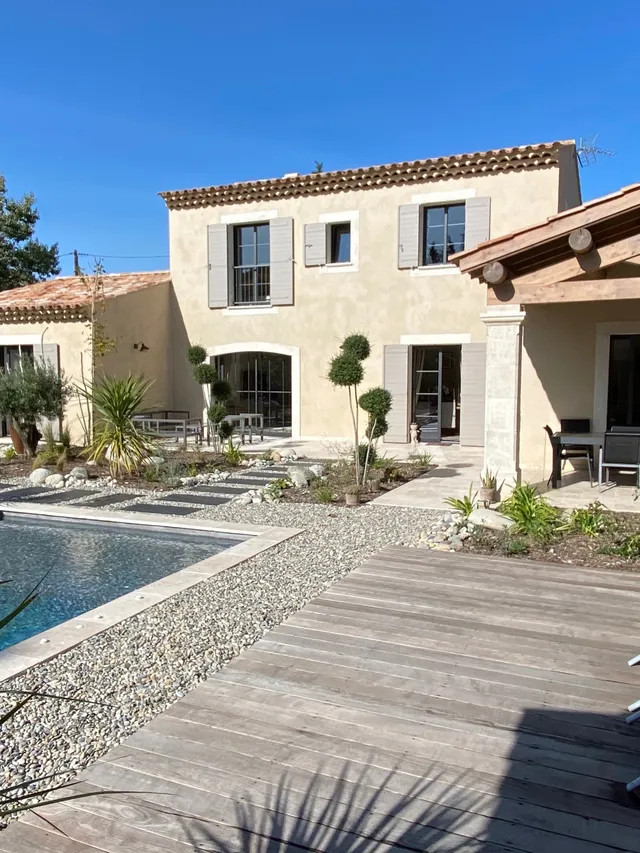
The maison de maître is the house of the master of the place: that of the owner of an estate, the notable of a village, the merchant of a trading city, the doctor or the notaire of a rural district. Built from the 18th century to the early 20th, it is recognised by its regular volume, most often a two-storey rectangle under a hipped roof, by its symmetrical façade, door in the centre and windows aligned, by its high ceilings and its reception rooms en enfilade, drawing room, dining room, study, opening onto a walled garden. The materials follow the region: golden stone in the Gironde, pink brick in Toulouse, brick and flint in Normandy, limestone and tile in the Languedoc.
The word has no legal definition and listings use it freely. Three signs make the true maison de maître: a composed architecture, designed rather than added to over time; original decoration, marble fireplaces, parquet floors, mouldings, a balustraded staircase; and an enclosed whole, garden, outbuildings, boundary wall. The hôtel particulier, an urban residence with a cour d’honneur, and the château, a country residence with its land, are its two neighbours; the character home is the family that brings them all together.
The main families of maisons de maître and what the buyer finds there.
Type
Where
What sets it apart
Town maison de maître
Centre and faubourgs of the trading cities
Façade on the street, garden at the back, sometimes a carriage house
Village maison de maître
Square or high street of the villages
The largest house in the village, walled garden, outbuildings
Estate maison de maître
In the middle of its former land
Outbuildings, wine cellars or barns, planted drive, grounds
Bordeaux chartreuse
Gironde, Entre-deux-Mers
Single-storey, long and low, 18th-century
19th-century house of a notable
All regions
Brick or stone, slate roof, eclectic decoration
Where to buy a maison de maître in France?
The maison de maître exists in every region, but it sells above all where the trading cities and prosperous villages of the 18th and 19th centuries have kept their buildings: the Bordeaux region, the Toulouse area and the South-West, Normandy, the Languedoc, the Atlantic coast, and the countryside within two hours of a large city. Home Select looks for it first in six areas.
The Bordeaux region and the Gironde
Around Bordeaux, the maison de maître often merges with the chartreuse, a single-storey 18th-century residence, long and low, at the heart of a former wine estate, or with the merchant’s house of the stone-built faubourgs, Caudéran, Le Bouscat, Talence. The page on buying a maison de maître in Bordeaux describes these districts and the Entre-deux-Mers, and the page on the hôtel particulier in Bordeaux the residences of the centre.
Toulouse, Albi and the South-West
In Toulouse, the maison de maître is in pink brick, with a low-pitched roof of round tiles and sometimes a timber gallery: the Toulouse house of the faubourgs, Saint-Cyprien, Les Chalets, Guilheméry, and the maison de maître of the Lauragais hills. See buying a maison de maître in Toulouse. Towards Albi and the Tarn, brick mixes with stone, amid grounds planted with cedars.
Normandy: Étretat, the Alabaster Coast and the Pays de Caux
The Norman maison de maître is of brick and flint, or brick and stone, under a steep slate roof, behind a gate and a garden of beeches: the holiday house of Étretat and the Alabaster Coast, the maison de maître of the villages of the Pays de Caux, that of the clos-masures. The page on buying a maison de maître in Étretat describes this market; towards Honfleur and Deauville, the maison de maître stands next to the manor of the Pays d’Auge, in the Normandy area.
Nîmes, Uzès, Montpellier and the Languedoc
In the Languedoc, the maison de maître is the house of the wine or textile merchant, in limestone under a roof of round tiles: the faubourgs of Nîmes, the villages of the Uzège around Uzès, the wine villages between Montpellier and Béziers, where it dominates the village square with its grounds and its plane trees. There it stands beside the mas, described in the guide to the character home.
The Atlantic coast: La Rochelle, Royan and the Vendée
From La Rochelle to Royan, the maison de maître is that of shipowners and merchants, in white stone, often with a courtyard on the street and a garden at the back, and that of the villages of the Saintonge and the Vendée, in the Atlantic coast area. The islands have few; the maison de maître is sought rather on the mainland, within half an hour of the sea.
Brittany, the Loire Valley and Burgundy
Brittany has its granite maison de maître, in trading towns such as Vannes and Saint-Malo, next to the malouinière; the Loire Valley and Burgundy have their maisons de maître of tuffeau and stone, amid grounds, within two hours of Paris. Home Select runs the search there remotely, with its network of partners, for buyers moving out of the Paris region.
How much does a maison de maître cost?
No public statistic gives the price of a maison de maître. The DVF register of sales, published by the tax administration, files it among houses, without distinguishing the merchant’s house from the house on a housing estate. The median price for houses in a commune therefore gives a market benchmark; the top tenth of sales, where the large houses are found, is a better one.
House sales over 12 months to end of June 2026, DVF / DGFiP via data.gouv.fr, October 2026 release, 12 months to end of June 2026. The register does not single out maisons de maître: these are market benchmarks, not prices of residences.
The price of a maison de maître is formed on the address, the garden and its size, the volumes and the surviving decoration, the condition of the roof and the structure, the outbuildings, and the distance to a railway station or a large city. A house of 250 to 400 square metres, with a garden of a few thousand square metres, is compared with its peers, not with the median: comparable sales are sought in the same village or the same district, over several years.
The budget has three lines. The purchase price, first. Then the restoration, which an architect or a project manager costs before the offer: roof, façades, joinery, utilities, insulation. Finally the upkeep of every year: a large house and its garden cost money to keep, and the outbuildings, often neglected, cost even more. The library dossier on the renovation budget for an older property details these items.
What should you check in the structure of a maison de maître?
Roof, roof timbers and floors
The hipped roof of a maison de maître, slate in the north, tile in the south, is its first item of expense: its renewal runs to tens of thousands of euros, more with the zinc work and the dormers. The roof timbers are read from the attic, piece by piece: sagging, traces of insects, joints. The 19th-century floors, timber on joists, carry limited loads; cracks in the façade are read above all in regions of clay soils, where the shrinking and swelling of clay moves the foundations.
Damp and old walls
The stone or brick walls of an old house breathe: cement renders, sealed slabs and badly designed linings trap damp in them. Rising damp is read at the foot of the walls, infiltration under the roofs and behind the downpipes, ventilation in the cellars. Termites are checked for in the zones delimited by prefectoral order, lead in paint from before 1949, asbestos in any building from before 1997.
Utilities, heating and energy
Electricity, plumbing, heating and drainage have often been redone piecemeal. A house rated E, F or G is sold with an energy audit, which proposes scenarios of works; on a maison de maître, insulation is designed through the attic, the ground floors and the joinery, keeping the decoration of the façades and the reception rooms. The library dossier on the energy renovation of an older property details these choices.
Roof, roof timbers and attic, seen from inside, with the date of the last renewal.
Floors, beams and staircase: sagging, insects, permissible loads.
Walls and cellars: rising damp, infiltration, renders, ventilation.
Utilities: electricity, water, mains or private drainage, heating.
Decoration: fireplaces, parquet floors, mouldings, staircase, joinery, and their condition.
Heritage protection and planning rules: what will you be able to change?
Few maisons de maître are listed as monuments historiques, but many stand near a monument, in a site patrimonial remarquable or in an old centre covered by façade regulations: works that alter the exterior appearance, joinery, renders, roof, fence, are then subject to the agreement of the architecte des Bâtiments de France. The local urban plan (PLU), for its part, says what the garden allows: a pool, an extension, an outbuilding converted into a home, a division of the plot.
Two pitfalls recur. The first is division: a maison de maître divided into apartments, or whose garden has been sold off in plots, loses the whole that made its value; before buying a whole house, check that its outbuildings and its garden are indeed in the lot sold. The second is the lawful status of works done: a conservatory, an extension or a converted outbuilding built without permission can sometimes be regularised, and sometimes not.
The zoning of the local urban plan, the rules on height, footprint and fences, and the protections of the building.
The permissions obtained for recent works, and the planning certificate for those you envisage.
Easements: rights of way, views, pipes, party walls of the boundary walls.
The perimeter of a historic monument or a site patrimonial remarquable, and its rules.
Occitanie -Toulouse -A manor house
The garden, the outbuildings and the neighbourhood
A maison de maître is bought with its garden and its outbuildings, and these often make the difference between two houses of the same size. The garden is judged on its orientation, its trees, often a century old and sometimes protected, its boundary walls, shared or not, and on what borders it: a busy street, a close neighbour, a field that may be built on. The outbuildings, carriage house, stable, wine cellar, orangery, are judged on their roof and on what the planning rules allow you to make of them.
The surveyor’s plan or the cadastral plan, to check the boundaries and the real size of the garden.
The condition of the boundary walls and the railings, and whether they are party walls.
Remarkable trees, protected woodland and the rules on felling.
The roofs of the outbuildings, which often cost more than you think.
The neighbourhood at every hour: traffic, shops, plots that can still be built on.
How much should you budget for works?
The costing of the works comes before the offer, not after it. On a maison de maître, five items recur: the roof and the zinc work; the façades, render or stone, and the joinery; the utilities, electricity, plumbing, heating, drainage; the insulation of the attic, the ground floors and the windows; the decoration, parquet floors, fireplaces, mouldings, staircase, which is restored more than replaced. An architect or a project manager used to old buildings costs them on site, room by room.
The five items of a maison de maître, and the moment when the buyer needs to know them.
Item
What makes it vary
When it is costed
Roof and zinc work
Slate or tile, dormers, condition of the roof timbers
Before the offer, from the attic
Façades and joinery
Stone or render, number of windows, rules of the architecte des Bâtiments de France
Before the offer, with the local regulations
Utilities
What has been redone, what remains as it was
Before the offer, by a professional
Insulation and heating
Energy audit, decoration to preserve
Before the offer, with the audit
Decoration
Condition of the parquet floors, fireplaces, staircase
After the offer, at the margin
Aid for energy renovation, grants from local authorities for façades in some old centres and the label of the Fondation du patrimoine for a characteristic building can lighten the bill; they are checked before the offer, with their conditions. The library dossier on building damage insurance explains how to protect a major project.
How do you negotiate a maison de maître?
A maison de maître often stays on the market for a long time: too large for the local market, too expensive for the works it requires, or sold by an estate that first hoped for a price. That is a strength for the buyer who arrives with facts: the comparable sales of the village or the district, the written costing of the works, the planning timetable, and financing that is ready. On a sought-after house, in Bordeaux, in Toulouse or on the coast, the negotiation is won instead on the speed and the solidity of the file.
The comparable sales, over several years, in the same village or the same district.
The written costing of the works, handed over with the offer.
The time spent on the market and the history of the asking prices.
The planning and heritage constraints, which delay projects.
The seller’s calendar: an estate, a division between heirs or a move weigh more than an asking price.
How Home Select searches for a maison de maître
The search begins with a brief: the region or regions, the town or the village, the garden, the outbuildings, the overall budget, works included, and the timetable. Home Select then canvasses the whole market, listings, notaires, partners and owners, qualifies each house on documents then in a commented video pre-viewing, and brings the buyer over only for the decisive viewings, grouped into a single trip. For a buyer abroad, the method is the same, remotely.
The brief: regions, village or town, garden, outbuildings, overall budget and timetable.
The search across the whole market, off-market included, and the qualification of each house on documents.
The commented video pre-viewing, then the decisive viewings, with an architect if the house warrants it.
The reading of the file: surveys, planning rules, easements, permissions, title deeds.
The offer and the negotiation, based on comparable sales and the costing of the works, then the preliminary sale agreement and the deed.
The fees are due only on success: 2.5% of the net purchase price with the Exclusive offer, minimum €10,000 incl. VAT, or the Confidential offer, at 1.5%, for projects of €2m and above, presented only on off-market properties; on top of these, 10% of the negotiated reduction. The steps of a property purchase in France and the access to off-market properties complete this guide.
Frequently asked questions
What is the difference between a maison de maître and a hôtel particulier?
The maison de maître is a large bourgeois house, in town, in a village or in the country, with a symmetrical façade and high ceilings, and a walled garden. The hôtel particulier is a family’s urban residence, built between courtyard and garden behind a porte cochère, with a grand staircase. One is a house, the other a residence with a courtyard.
What is the difference between a maison de maître and a maison bourgeoise?
None in law, and little in usage: maison bourgeoise designates the same large house of the 18th and 19th centuries, often in town. The maison de maître evokes more the house of the owner of an estate or the notable of a village, with its outbuildings. In a listing, the plan, the decoration and the garden say what you are buying.
How much does a maison de maître cost?
There is no public price: the DVF register files maisons de maître among houses. In Bordeaux, the median price for houses is €4,800/m², but a large house with a garden is negotiated above, house by house, according to the address, the volumes, the condition and the outbuildings. Count three lines: the price, the restoration and the upkeep.
What should you check before buying a maison de maître?
The roof and the roof timbers, the floors, damp in the walls, the utilities and the drainage, the decoration, then the planning rules: what the garden allows, the lawful status of works done, heritage protections. Have the works costed by an architect or a project manager before the offer, not after signing.
Can you divide a maison de maître or convert its outbuildings?
Sometimes. The division of a house into apartments and the conversion of an outbuilding into a home depend on the local urban plan, on the co-ownership regulations if any, and on heritage rules. Before buying with that project in mind, ask for a planning certificate and have the regulations read by a professional.
Can a foreign buyer purchase a maison de maître in France?
Yes, without restriction. A foreign or non-resident buyer purchases under the same conditions as a resident, with a notaire, by power of attorney if needed. Half of Home Select’s clients are expatriates or international buyers, and the search is run remotely, with video pre-viewings, up to the decisive viewings.
How long does it take to buy a maison de maître?
From a few weeks to a few months, depending on the region and the precision of the brief: supply is wider than for a château or a hôtel particulier, but the right house, with its garden and its outbuildings in good condition, remains rare. The offer, the preliminary sale agreement and the deed then follow the calendar of an ordinary sale.
What are Home Select’s fees for a maison de maître?
The same as for any search: 2.5% of the net purchase price with the Exclusive offer, minimum €10,000 incl. VAT, or 1.5% with the Confidential offer for projects of €2m and above, plus 10% of the negotiated reduction. Nothing is due until you have bought.
Describe the maison de maître you are looking for, its region, its garden and your timetable: Home Select will tell you what it is realistic to find, and how.
Your request is already sent, simply pick what suits you.
A buyer’s agent calls you back within one working day.
🇫🇷+33
An error occurred. Please try again.
Then answer 3 quick questions to be matched with the right hunter.
Home Select processes your data (name, email, phone, project) to handle your request and contact you. It is recorded in our follow-up tool and read by the hunter in charge of your project. Our technical providers access it for hosting, email and checking that your email and number are real, some of them from the United States under the safeguards set by the GDPR. We keep it for three years after our last exchange, or five years after the end of our assignment if you entrust it to us, as French anti-money-laundering law requires. To access, correct or erase it, or to object to its use: contact@home-select.fr. Details in our privacy policy.
Your hunter calls you back within one working day.
Resume your request?
You started a request recently. Pick up where you left off, or start over.
Your answers are kept for 24 hours.
What is your project?
Takes 1 minute, no commitment.
Where are you looking?
Select one or more cities or areas
Your budget?
€
You pay only when Home Select finds it.
Anything to add?
Optional. Add any useful details: specifics about your search, constraints or your availability.
This helps your hunter prepare for your call.
An expert will contact you shortly
Your brief
Confidential search: your file goes to a senior hunter.
60 rue François 1er, 75008 Paris · FCI member
FeesOne month’s rent excluding charges, plus VAT, with a minimum of €2,000 including VAT. Payable only when the lease is signed. No application fee.
Step 1 of 2 · Your search
What are you looking for?
Furnished, unfurnished or both?
In which city?
One or more cities or areas.
€ / month
Charges included, as in the listings.
You would like to move in
Two minutes, no documents needed at this stage.
FeesOne month’s rent excluding charges, plus VAT, with a minimum of €2,000 including VAT. Payable only when the lease is signed. No application fee.
Step 2 of 2 · Your situation
Your situation
These answers let Home Select tell you quickly, and frankly, whether your search can succeed on the market in your city.
You are applying
€ / month
Before tax, regular bonuses included, for everyone applying.
Main applicant’s employment
Your company is based in France
Number of annual accounts filed
To strengthen your file
Optional for your profile. A guarantee reassures landlords.
Guarantor’s situation
€ / month
Who it is for, why you are moving, what matters to you. Do not include sensitive information (health, origin, religion, family situation).
Your contact details
🇫🇷+33
Reply within 24 business hours.
Home Select processes your data (name, email, phone, project, employment, income, guarantee) to review your rental request and contact you. Your answers are compared with the criteria landlords apply, then read by Home Select’s rental hunter. A request that cannot succeed receives a written reply within 24 business hours, and you can ask for it to be reviewed again at contact@home-select.fr. Our technical providers access it for hosting, email and checking that your email and number are real, some of them from the United States under the safeguards set by the GDPR. A request that does not lead to an assignment is erased after three months; otherwise, we keep your data for three years after our last exchange, or five years after the end of our assignment if you entrust it to us, as French anti-money-laundering law requires. To access, correct or erase it, or to object to its use: contact@home-select.fr. Details in our privacy policy.
FeesOne month’s rent excluding charges, plus VAT, with a minimum of €2,000 including VAT. Payable only when the lease is signed. No application fee.
Your file
Your file matches what landlords expect
Book your meeting with Stéphane Martins, rental hunter. He confirms it after reading your file, within 24 business hours.
Choose your time slot
Times shown in Paris time.
Confirmation arrives by email and text message.
FeesOne month’s rent excluding charges, plus VAT, with a minimum of €2,000 including VAT. Payable only when the lease is signed. No application fee.
Your request
Your request is in good hands
Stéphane Martins, rental hunter, is reviewing your file and will reply within 24 business hours.
Home Select processes your data (name, email, phone, project) to handle your request and contact you. It is recorded in our follow-up tool and read by the hunter in charge of your project. Our technical providers access it for hosting, email and checking that your email and number are real, some of them from the United States under the safeguards set by the GDPR. We keep it for three years after our last exchange, or five years after the end of our assignment if you entrust it to us, as French anti-money-laundering law requires. To access, correct or erase it, or to object to its use: contact@home-select.fr. Details in our privacy policy.
Home Select processes your data (name, email, phone, project, employment, income, guarantee) to review your rental request and contact you. Your answers are compared with the criteria landlords apply, then read by Home Select’s rental hunter. A request that cannot succeed receives a written reply within 24 business hours, and you can ask for it to be reviewed again at contact@home-select.fr. Our technical providers access it for hosting, email and checking that your email and number are real, some of them from the United States under the safeguards set by the GDPR. A request that does not lead to an assignment is erased after three months; otherwise, we keep your data for three years after our last exchange, or five years after the end of our assignment if you entrust it to us, as French anti-money-laundering law requires. To access, correct or erase it, or to object to its use: contact@home-select.fr. Details in our privacy policy.
You arrived through one of Home Select’s ads or campaigns.Ad measurement.Do you agree to Home Select measuring how well it works? Home Select will know which campaign brought you here and, if you get in touch, the ad platform will only learn that its ad worked, without receiving your contact details.Do you agree to Home Select measuring how well its ads work? If you arrive through one of them, Home Select will know which one and, if you get in touch, the ad platform will only learn that its ad worked, without receiving your contact details.Learn moreYour current choice: .